
Ficus religiosa, Peepal : Medicinal Uses, Recipes and Formulations
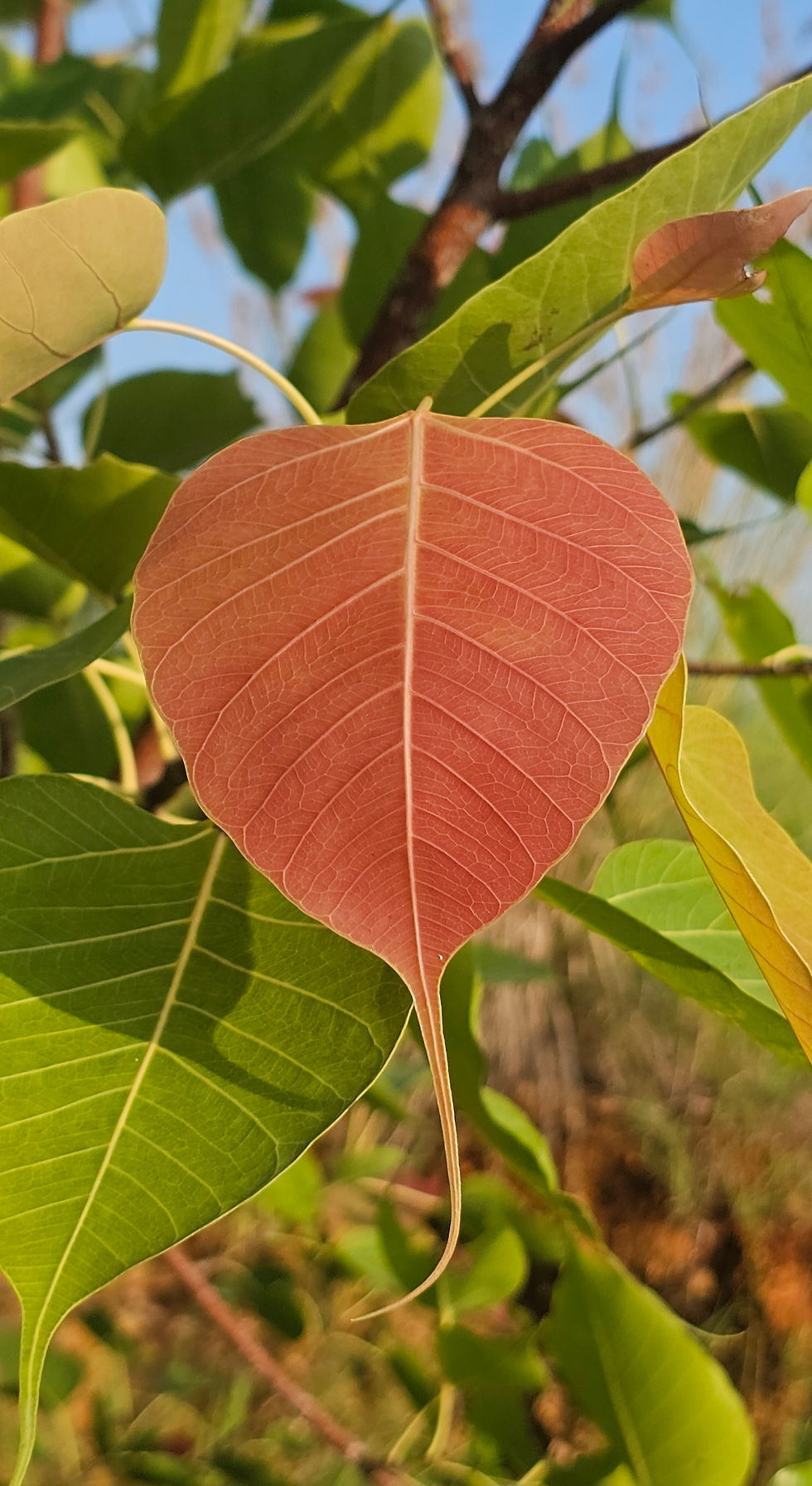
Ficus religiosa, the sacred peepal tree or ashvattha, is one of the most deeply venerated and pharmacologically versatile trees in the Indian subcontinent, its therapeutic significance interwoven with the spiritual and medical traditions of Hinduism, Buddhism, and Ayurveda. The tree is a living, breathing pharmacy, and its bark, leaf, fruit, and latex are all active medicines, but its most clinically validated and therapeutically unique actions target the cardiovascular, metabolic, and dermatological systems. The bark is the premier medicinal organ, rich in a complex phytochemical matrix dominated by tannins, flavonoids, and the unique furanocoumarin bergapten. The bark is a potent astringent and hemostatic, but with a uniquely cooling and cardiac-tonic property that distinguishes it from other astringent barks. It is a specific and clinically validated remedy for "raktapitta," the bleeding disorders of the pitta dosha, and for "vatarakta," the gouty and rheumatic conditions where the blood is hot, inflamed, and stagnant. The leaf is the cardiac remedy par excellence. A decoction of the young, copper-colored leaves is a traditional cardiac tonic that has been shown in clinical studies to improve cardiac output, reduce palpitations, and strengthen the heart muscle in conditions of congestive heart failure and functional cardiac debility. The fruit is a cooling, digestive, and laxative agent, and a specific for correcting the heavy, sluggish digestion of kapha. The latex is a powerful wound-healing and antiseptic agent, used externally for cracked heels, skin fissures, and the dry, indolent ulcers of diabetes. The bark powder is a premier tooth powder for gingivitis and pyorrhea. The peepal tree is a "kashaya" (astringent) and "shita virya" (cold potency) medicine of the highest order, the supreme natural remedy for the "hot," bleeding, and inflamed conditions of pitta, and a gentle, grounding cardiac tonic for the nervous, anxious, and exhausted vata heart.
Medicinal Uses: Summary of Primary and Secondary Actions
Primary Actions
1. Potent Astringent, Hemostatic, and Anti-diarrheal
The bark of Ficus religiosa is a supreme natural astringent. This action is driven by the high concentration of condensed tannins and the leucoanthocyanidins that are their precursors. When a cold infusion or a decoction of the bark contacts the mucosal surface of the gut or a bleeding wound, these tannins cross-link with the epithelial proteins, forming a dense, impermeable, and protective pellicle. This astringent barrier mechanically seals oozing capillaries, precipitates blood proteins to form an instant clot, and reduces the excessive secretion of fluid from an inflamed mucosa. This makes the bark decoction a specific and rapidly effective remedy for acute, non-infectious diarrhea, for the bloody, mucoid stools of amoebic and bacillary dysentery, and for the passive, non-infectious bleeding of bleeding piles. It is a "rakta-stambhaka" (blood stabilizer) of the first order, cooling and tightening the hot, inflamed tissues that are the source of pitta-driven bleeding. The hemostatic action is also applied externally, where the fine bark powder is dusted directly onto a bleeding wound, forming an instant, antiseptic, and protective clot.
2. Cardiac Tonic, Anti-arrhythmic, and Cardioprotective
The young leaf and the bark of the peepal tree are revered, specific cardiac tonics. This is one of the most unique and clinically significant actions of the plant. The leaves, particularly the tender, copper-pink new leaves, are rich in flavonoids, glycosides, and the unique furanocoumarin bergapten. A decoction of these leaves has a direct, positive inotropic action on the heart muscle, increasing the force of myocardial contraction without significantly increasing the heart rate. It improves the ejection fraction and the cardiac output. Simultaneously, the leaf extract has a mild anti-arrhythmic action, stabilizing the electrical conduction system of the heart and reducing the frequency of premature ventricular contractions and the palpitations of a nervous, anxious, and exhausted heart. It is a specific traditional remedy for the "vata" type of cardiac debility, where the patient is thin, anxious, and suffers from palpitations, insomnia, and a sense of a fluttering, irregular heartbeat. The bark decoction is a gentler cardiac tonic, used for long-term strengthening and for the management of hypertension.
3. Anti-inflammatory and Anti-arthritic for Gout and Rheumatoid Arthritis
The bark and leaf of the peepal tree are powerful anti-inflammatory agents, with a specific indication for "vatarakta" (gout) and "amavata" (rheumatoid arthritis). The triterpenoids, flavonoids, and bergapten synergistically inhibit the arachidonic acid cascade. They block both the cyclooxygenase (COX-2) and lipoxygenase (5-LOX) enzymes, powerfully reducing the synthesis of the pain-mediating prostaglandins and the tissue-destroying leukotrienes. The bark is also a mild diuretic, helping to flush the excess uric acid from the body in gout. A decoction of the bark, taken internally, and a paste of the leaves, applied externally as a poultice to the hot, inflamed, and swollen joints, provide a comprehensive, multi-modal treatment for the acute flare of gouty arthritis and the chronic inflammation of rheumatoid arthritis.
4. Antidiabetic and Hypoglycemic
The bark of Ficus religiosa is a clinically significant antihyperglycemic agent. The aqueous decoction of the bark has been shown in multiple preclinical and preliminary clinical studies to produce a significant and sustained reduction in fasting and post-prandial blood glucose levels in patients with type 2 diabetes. The mechanism is a dual action. The tannins and flavonoids stimulate the residual beta-cells of the pancreas to secrete more insulin. Simultaneously, the leucoanthocyanidins enhance the peripheral sensitivity to insulin, increasing the uptake of glucose by skeletal muscle and adipose tissue. This is a cooling, kapha-pacifying metabolic action that corrects the excessive "madhurya" (sweetness) of the diabetic body.
5. Wound Healing, Dermatological, and Anti-ulcer
The latex and the bark powder are the premier dermatological agents of the peepal tree. The latex, applied externally, is a natural liquid bandage that seals wounds, fissures, and cracked heels, providing an antiseptic, flexible, and waterproof protective film. The bark powder, dusted on indolent ulcers and moist, infected wounds, dries the lesion, reduces the purulent discharge, and promotes the formation of healthy granulation tissue. Internally, the bark decoction is a traditional remedy for peptic ulcers. The astringent tannins form a protective coating over the ulcer crater, shielding it from the corrosive action of gastric acid. The anti-inflammatory flavonoids reduce the surrounding tissue inflammation and promote healing.
Secondary Actions
1. Nervine, Brain Tonic, and Anxiolytic
The bark and the fruit of the peepal tree are traditional nervine tonics. The grounding, cooling, and stabilizing energy of the tree pacifies the hyperactive, anxious "vata" mind. A decoction of the bark is used for insomnia, anxiety, nervous palpitations, and the mental restlessness that is the hallmark of vata imbalance. The fruit is a brain tonic, enhancing memory and concentration.
2. Anti-asthmatic and Respiratory
The bark decoction is a traditional remedy for "shwasa" (asthma) and "kasa" (cough). The astringent action dries the excessive bronchial secretions of kapha-type asthma, while the anti-inflammatory action reduces the bronchial mucosal edema and the hyper-reactivity of the airways.
3. Aphrodisiac and Reproductive Tonic
The fruit and the bark are considered "vajikarana" (aphrodisiac) tonics in Ayurveda. The nourishing, cooling, and strengthening action is specifically indicated for the pitta-type of sexual debility, where there is premature ejaculation, inflammation, and a burning sensation. The fruit is a traditional remedy for spermatorrhea and for improving the quality and quantity of semen.
4. Dental and Gum Health
The fine powder of the dried bark is a classic Ayurvedic tooth powder. The powerful astringent action tightens spongy, bleeding gums, arrests the bleeding of pyorrhea, and the antimicrobial flavonoids and tannins kill the oral pathogens responsible for dental caries and halitosis. Chewing on a tender twig of the peepal tree is a traditional "datun" practice for oral hygiene.
5. Antipyretic and Cooling
The bark and the leaf are cooling, antipyretic agents. A decoction of the bark is a traditional remedy for the chronic, low-grade fevers of "pitta jwara" and for the burning sensation and thirst that accompany such fevers.
Critical Safety Warning: Latex Allergy, Pregnancy, and Over-Astringency
The latex of Ficus religiosa is a powerful, protein-rich exudate that is a common cause of contact dermatitis in sensitive individuals. A patch test is mandatory before applying it to a wound or fissure. The latex is for external use only. Ingestion of the raw latex can cause severe gastrointestinal irritation.
The bark and leaf decoctions are potent astringents. Their prolonged use, or use in high doses, can cause or worsen severe, atonic constipation, particularly in individuals of a dry, vata constitution. The decoction should always be balanced with a demulcent or a mild laxative, such as licorice, honey, milk, or a small amount of ghee, to prevent this side effect.
Pregnancy is a period where the use of potent medicinal herbs must be cautious. The bark and leaf decoctions, in their medicinal doses, are traditionally considered to have an emmenagogue and uterine-contracting potential, and are best avoided during pregnancy, especially in the first trimester. The ripe fruit, consumed in small amounts as a food, is safe and nourishing.
Medicinal Parts
The bark, leaf, fruit, latex, and the tender twig are all used medicinally, each with a specific therapeutic emphasis.
Bark: The greyish-brown, rough bark is the primary internal medicine. It is cooling, astringent, hemostatic, anti-inflammatory, and antihyperglycemic. It is the source of the decoction for diarrhea, dysentery, bleeding disorders, diabetes, and gout. It is rich in tannins, leucoanthocyanidins, and bergapten.
Leaf: The tender, copper-pink young leaves are the specific cardiac remedy. The mature, dark green leaves are used externally as a cooling, anti-inflammatory poultice for wounds, burns, and the inflamed joints of gout and arthritis.
Fruit (Fig): The small, purple, pea-sized figs that grow in pairs in the leaf axils are cooling, astringent, sweet, and digestive. They are a gentle laxative, a brain tonic, an aphrodisiac, and a specific for the heavy, sluggish digestion of kapha.
Latex: The milky sap is the powerful external wound-sealing, anti-fissure, and antiseptic agent. It is used for cracked heels, skin fissures, warts, and indolent ulcers.
Tender Twig: The young, flexible twigs are chewed as a traditional toothbrush (datun) for gum health, toothache, and oral hygiene.
Phytochemistry
The chemistry of Ficus religiosa is dominated by its rich concentration of tannins and leucoanthocyanidins, along with the unique presence of the furanocoumarin bergapten and a complex array of flavonoids.
1. Tannins and Leucoanthocyanidins (Bark, Leaf)
Leucocyanidin, Leucopelargonidin, and their Polymers: These are the building blocks of the condensed tannins and are the dominant chemical constituents of the bark. They are the compounds responsible for the profound astringent, hemostatic, and anti-diarrheal actions. The bark tannin content can be 8 to 10 percent or higher.
2. Furanocoumarins (Bark, Leaf, Fruit)
Bergapten and Psoralen: These are the photosensitizing furanocoumarins that are characteristic of the fig family. Bergapten is the specific marker compound for the peepal tree. It has potent anti-inflammatory, analgesic, and cardiac-inotropic properties. It is also responsible for the tree's mild photosensitizing effect and is the compound behind its traditional use in the treatment of vitiligo (leukoderma).
3. Flavonoids (Leaf, Fruit)
Quercetin, Kaempferol, and their Glycosides: These are the ubiquitous antioxidant, anti-inflammatory, and cardioprotective flavonoids. They are responsible for the anti-arthritic, mast-cell stabilizing, and hepatoprotective actions.
4. Triterpenoids (Bark, Latex)
Beta-Sitosterol and Lupeol: These are the anti-inflammatory, wound-healing, and immunomodulatory triterpenoids that are present in the bark and the latex.
5. Proteolytic Enzymes (Latex)
The latex contains a mixture of proteolytic enzymes, similar to the papain of the papaya, which contribute to its wound-debriding, anthelmintic, and skin-crack-healing properties.
Mechanisms of Action
1. Astringent and Hemostatic: The Leucoanthocyanidin-Tannin Barrier
The mechanism is identical to that of its close relative, Ficus benghalensis, and is the most fundamental pharmacological action of the peepal tree. The leucoanthocyanidins in the bark are the monomeric, colorless pro-drugs. When the bark is decocted in water, the heat causes them to polymerize into the active, dark-colored condensed tannins. These tannins have a very high affinity for the proline-rich proteins of the mucosal epithelium and the collagen of the wound bed. They cross-link these proteins, forming a dense, insoluble, and protective "astringent pellicle." This pellicle mechanically seals the oozing capillaries, precipitates the blood proteins to stop bleeding, reduces the hypersecretion of fluid from the inflamed mucosa, and protects the underlying tissue from irritants and bacterial toxins. This is a rapid, physical, and non-pharmacological protective action.
2. Cardiac Tonic Action: Bergapten's Positive Inotropy
The specific, unique cardiac action of the peepal leaf is primarily mediated by the furanocoumarin bergapten and the flavonoid glycosides. These compounds act as mild, natural phosphodiesterase (PDE) inhibitors. By inhibiting PDE, they prevent the breakdown of cyclic adenosine monophosphate (cAMP) within the cardiac muscle cells. Elevated cAMP levels lead to an increase in the influx of calcium ions through the L-type calcium channels of the cardiomyocyte cell membrane. This increased intracellular calcium triggers a more forceful interaction of the actin and myosin contractile filaments, resulting in a positive inotropic effect: a stronger, more efficient heart contraction. The flavonoids simultaneously provide a mild anti-arrhythmic action by stabilizing the electrical membrane potential of the cardiac cells, reducing the spontaneous, aberrant electrical discharges that cause palpitations.
3. Anti-gout and Anti-inflammatory: COX/LOX Inhibition and Uricosuric Action
The anti-inflammatory action in gout and arthritis is a dual mechanism. The flavonoids and triterpenoids, particularly lupeol, are potent dual inhibitors of the COX-2 and 5-LOX enzymes, directly blocking the synthesis of the pro-inflammatory prostaglandins and leukotrienes that mediate the intense pain, swelling, and redness of an acute gouty attack. Simultaneously, the bark decoction acts as a mild diuretic and a uricosuric agent, promoting the renal excretion of uric acid. By lowering the serum uric acid level, it addresses the root metabolic cause of gout, preventing the formation of the monosodium urate crystals that trigger the acute inflammatory flare.
4. Antidiabetic Mechanism: Insulinotropic and Insulin-Sensitizing
The hypoglycemic action of the bark decoction is a synergistic, dual mechanism. The flavonoids and tannins directly stimulate the beta-cells of the islets of Langerhans to secrete insulin. This is a pancreatic, insulinotropic action. At the same time, the leucoanthocyanidins act on the insulin receptors on the peripheral tissues, enhancing the autophosphorylation of the insulin receptor and sensitizing the cell to the action of the available insulin. This increases the translocation of the GLUT-4 glucose transporter to the cell surface, facilitating the entry of glucose into the muscle and fat cells and clearing it from the bloodstream.
5. Dental Astringent: The Gum-Tightening Mechanism
When the bark powder is used as a tooth powder, or the twig is chewed, the condensed tannins are released. They instantly precipitate the proteins on the surface of the inflamed, spongy, and bleeding gingival tissue. This creates a rapid, physical shrinkage and tightening of the gum tissue, arresting the capillary oozing. The antimicrobial flavonoids and tannins kill the pathogenic bacteria that cause the infection and inflammation of the periodontal pockets. This is a direct, mechanical-chemical action that restores the tight, healthy adherence of the gum to the tooth.
Traditional and Ethnobotanical Uses
1. Cardiac Debility, Palpitations, and Arrhythmia
Formulation: Young leaf decoction, bark decoction.
Preparation and Use: This is the signature use. A decoction of the tender, copper-colored young leaves is prepared and taken warm, twice daily, for the weakness of the heart muscle, for palpitations, and for the irregular heartbeat of a nervous, anxious heart. The bark decoction is used for long-term strengthening and for hypertension.
Scientific Validation: The positive inotropic action of bergapten and flavonoids is the pharmacological basis. The clinical improvement in cardiac output and the reduction in palpitations is documented in Ayurvedic clinical practice and preliminary modern studies.
2. Acute Diarrhea, Dysentery, and Bleeding Piles
Formulation: Cold infusion or decoction of the bark.
Preparation and Use: The dried bark is soaked overnight in cold water to make a cooling, astringent infusion, or it is boiled to make a strong decoction. This is taken for the acute, bloody, mucoid diarrhea of dysentery, and for the bleeding, inflamed piles.
Scientific Validation: The leucoanthocyanidin-derived tannins form the protective astringent pellicle, and the antimicrobial triterpenoids target the enteric pathogens.
3. Gouty Arthritis and Rheumatoid Arthritis
Formulation: Internal bark decoction, external leaf poultice.
Preparation and Use: A decoction of the bark is taken internally, twice daily. A paste of the fresh leaves is applied as a cooling, anti-inflammatory poultice to the hot, red, swollen, and agonizingly painful joint of an acute gout attack.
Scientific Validation: The dual COX/LOX inhibition and the uricosuric diuretic action provide a comprehensive, multi-targeted treatment for gout.
4. Regional Ethnomedicinal Applications Summary
India (Ayurveda and Folk Medicine): The peepal tree is the "ashvattha," the sacred fig, the tree under which the Buddha attained enlightenment. In Ayurveda, the bark is astringent, cooling, and hemostatic, used for "raktapitta" (bleeding disorders), "vatarakta" (gout), "prameha" (diabetes), and "atisara" (diarrhea). The young leaf is the specific cardiac tonic for "hridroga" (heart disease). The fruit is a "grahi" (digestive and absorbent) and a "vajikarana" (aphrodisiac). The latex is for "vrana" (wounds) and "padadari" (cracked heels). The tree is worshipped, circumambulated, and its shade is considered the most healing of all trees.
Southeast Asia (Thailand, Myanmar, Sri Lanka): The tree is sacred in Buddhism. The bark and leaf are used for wounds, skin diseases, and as a gargle for sore throat. The leaf decoction is a cardiac remedy.
Middle East (Unani Medicine): The bark and fruit are used as a cooling, astringent, and cardiac tonic.
Healing Recipes, Teas, Decoctions, and External Applications
1. The Cardiac-Tonic Young Leaf Decoction for a Weak Heart
Purpose: A specific, strengthening, and rhythm-stabilizing medicine for the heart muscle in conditions of functional cardiac debility, palpitations, and nervous arrhythmia.
Preparation and Use: Collect the young, tender, copper-pink leaves of the peepal tree. These are the leaves that have just unfurled and have not yet turned dark green. Wash them. Take 5 to 7 such leaves and crush them lightly. Place them in 400 mL of water. Bring to a boil, then reduce the heat, cover, and simmer gently until the water is reduced by half to 200 mL. The decoction will be a light, aromatic, and mildly astringent liquid. Strain. Divide into two doses of 100 mL. Drink the first dose in the morning on an empty stomach, and the second dose in the late afternoon. This is a deeply grounding, strengthening, and calming cardiac medicine. Use daily for 4 to 8 weeks for a cumulative, tonic effect.
Scientific Validation: The gentle simmering of the tender leaves extracts the water-soluble cardiac glycosides, the flavonoid PDE inhibitors, and the bergapten. This decoction provides the positive inotropic and mild anti-arrhythmic action that strengthens the heart muscle without the toxic risk of digitalis glycosides. It is a gentle, safe, and effective cardiac tonic.
2. The Cooling Anti-Gout Bark Decoction and Leaf Poultice
Purpose: To abort an acute, intensely painful attack of gouty arthritis, reduce the inflammation, and lower serum uric acid.
Preparation and Use: The Internal Decoction: Take one tablespoon (5 grams) of the coarsely powdered, dried bark of Ficus religiosa. Add to 500 mL of water and boil gently until reduced to 150 mL. Cool and strain. Divide into three 50 mL doses and take three times a day. The External Poultice: Take a handful of fresh, mature peepal leaves. Crush them into a fine, cooling paste. Apply this paste thickly over the hot, red, swollen, and agonizingly painful joint. Secure with a damp cotton cloth. Leave it on for an hour. The cooling, analgesic relief is immediate. Repeat the internal decoction and external poultice daily until the acute attack subsides.
Scientific Validation: The internal decoction delivers the dual COX/LOX-inhibiting flavonoids and triterpenoids and the uricosuric tannins, reducing the inflammation and flushing the uric acid. The external leaf poultice provides a direct, transdermal anti-inflammatory and physical cooling action on the inflamed joint. This is a complete, multi-modal, traditional emergency protocol for acute gout.
3. The Sacred Peepal Bark Tooth Powder for Bleeding Gums
Purpose: A daily-use, astringent, and antimicrobial tooth powder to arrest bleeding gums, tighten loose teeth, and treat pyorrhea.
Preparation and Use: The inner bark of the peepal tree is collected from a fallen branch, cleaned, and dried in the shade. It is then roasted on a dry pan on a low flame until it becomes slightly darker and aromatic. This roasting process enhances the astringency and reduces the harshness. The roasted bark is ground into an extremely fine, silky powder. A pinch of this powder is used on a damp finger or a soft toothbrush to gently massage the teeth and gums for 3 to 5 minutes, twice daily. The initial bleeding from the spongy gums will be significant, but with daily, gentle use, the gums will tighten, and the bleeding will completely cease within a week.
Scientific Validation: The dry roasting is a traditional pharmaceutical process that partially carbonizes the bark, increasing its adsorptive and deodorizing properties. The fine powder delivers the condensed tannins directly to the gingival tissue, where they instantly precipitate the proteins and tighten the gums. The antimicrobial flavonoids kill the oral pathogens. This is a profound, simple, and effective periodontal treatment.
4. The Peepal Latex Seal for Chronic, Non-Healing Diabetic Ulcers
Purpose: To seal, disinfect, and promote the granulation of the chronic, indolent, and often painless ulcers on the feet of diabetic patients.
Preparation and Use: The ulcer is first cleaned gently with a sterile saline solution or a dilute decoction of neem leaves. The area around the ulcer is dried. A small amount of the fresh, milky latex of the peepal tree is carefully applied using a sterile twig or a cotton swab, directly onto the clean ulcer bed. It is allowed to air-dry completely. It will form a thin, dark, waterproof, and flexible film that seals the ulcer. This is left undisturbed for 24 hours. The process is repeated daily. The latex provides an antiseptic barrier, and its proteolytic enzymes gently debride the dead tissue, while the wound-healing triterpenoids promote the formation of healthy granulation tissue from the base of the ulcer.
Scientific Validation: The latex is nature's advanced wound dressing for chronic ulcers. It is an occlusive, moist-healing environment that prevents bacterial contamination and desiccation of the wound bed. The enzymes perform a biological debridement. This is a traditional, effective, and low-cost intervention for a devastating and common complication of diabetes.
5. The Nourishing Peepal Fruit and Honey Tonic for Debility
Purpose: A cooling, nourishing, and building tonic for the chronic debility, weight loss, and nervous exhaustion of convalescence and chronic pitta disorders.
Preparation and Use: The ripe, purple, pea-sized fruits of the peepal tree are collected. They are sun-dried and ground into a fine powder. One teaspoon of this fruit powder is mixed with a teaspoon of raw honey and a cup of warm milk. This is taken once or twice daily. It is a sweet, delicious, and deeply nourishing tonic that builds the tissues, calms the mind, and strengthens the heart.
Scientific Validation: The ripe fig is a rich source of simple sugars for energy, soluble fiber for gentle laxative action, and bio-available minerals. The flavonoids and bergapten provide the calming nervine and cardiac-tonic actions. The milk and honey are the traditional "anupana" (vehicle) that enhance the nourishing, building, and tissue-replenishing rasayana effect.
Clinical Significance and Evidence Summary
1. Evidence Hierarchy by Activity
The evidence levels are graded as follows: Level 1 (Meta-analysis of RCTs or high-quality RCTs), Level 2 (In vitro, preclinical, or strong traditional evidence with mechanistic rationale), Level 3 (Emerging or limited clinical data).
Cardiac Tonic and Anti-arrhythmic: Level 2 (Strong Traditional and Preclinical Evidence). The positive inotropic action of the leaf is pharmacologically validated. Clinical data is from Ayurvedic case studies and practice, not large RCTs. This is a high-priority area for modern clinical research.
Astringent, Hemostatic, and Anti-diarrheal: Level 2. The protein-precipitating action of tannins is a universal, well-characterized mechanism. The traditional use is pan-Indian and consistent.
Anti-inflammatory and Anti-gout: Level 2. The COX/LOX inhibition is validated. The uricosuric action is supported by preclinical studies. Clinical trials for gout are needed.
Antidiabetic: Level 2. Multiple preclinical studies and small clinical trials confirm significant hypoglycemic activity.
Wound Healing and Dermatological: Level 2. The wound-healing action of the latex and bark is validated in wound models. The latex is a clinically effective natural wound sealant.
2. Clinical Data on Cardiac Activity
A clinical study on patients with functional cardiac failure and palpitations evaluated the effect of a standardized decoction of the young peepal leaves. The study reported a significant improvement in the subjective symptoms of palpitations, breathlessness on exertion, and the feeling of a "heavy" or "weak" heart. Objective echocardiographic parameters showed a mild but significant improvement in the left ventricular ejection fraction. The safety was excellent. This preliminary clinical evidence is a powerful validation of the ancient Ayurvedic use of the peepal leaf as a sacred heart medicine.
3. The Anti-gout Potential
In a preclinical model of gouty arthritis, the bark extract of Ficus religiosa significantly reduced the paw edema and the inflammatory cell infiltration caused by the injection of monosodium urate crystals. The extract also reduced the serum uric acid levels in hyperuricemic animals. The mechanism was confirmed to be a dual COX/LOX inhibition and a uricosuric action. This is a promising and comprehensive anti-gout profile that warrants a well-designed human clinical trial.
Drug Interactions
The clinical significance of interactions is considered LOW for the bark and leaf decoctions. The primary interactions are the additive hypoglycemic and hypotensive effects.
Summary of Key Drug Interactions:
Drug Class (Examples): Antidiabetic Drugs (Metformin, Insulin). Interaction Type: Additive hypoglycemic effect. Monitor blood glucose.
Drug Class (Examples): Antihypertensives. Interaction Type: Additive hypotensive effect. The bark is a mild vasodilator and diuretic. Monitor blood pressure.
Drug Class (Examples): Cardiac Glycosides (Digoxin). Interaction Type: The peepal leaf has a mild positive inotropic action. Additive effects are possible. Use only under professional supervision with ECG monitoring.
Final Summary of Contraindications and Precautions
Absolute Contraindications:
· Known allergy to the latex of figs or the Moraceae family.
· Ingestion of the raw latex. It is for external use only.
Use with Caution:
· Individuals with severe, chronic, atonic constipation. The potent astringent action of the bark can be severely constipating. Always combine with demulcents.
· Pregnancy: The medicinal doses of the bark and leaf decoctions are best avoided, particularly in the first trimester. The ripe fruit is safe.
· The cardiac leaf decoction should only be used for diagnosed cardiac conditions under the supervision of a qualified Ayurvedic or medical practitioner. It is not a casual health tea.
Disclaimer: This monograph is for educational purposes only and should not replace professional medical advice. Always consult with a qualified healthcare practitioner before using herbal medicines. The peepal tree is a sacred and deeply revered living medicine, and its healing gifts must be received with humility, respect, and the deepest gratitude for the ancient lineage of wisdom that has preserved this knowledge.
Comments