
Clitoria ternatea, Gokarni, Aparajita : Medicinal Uses, Recipes and Formulations
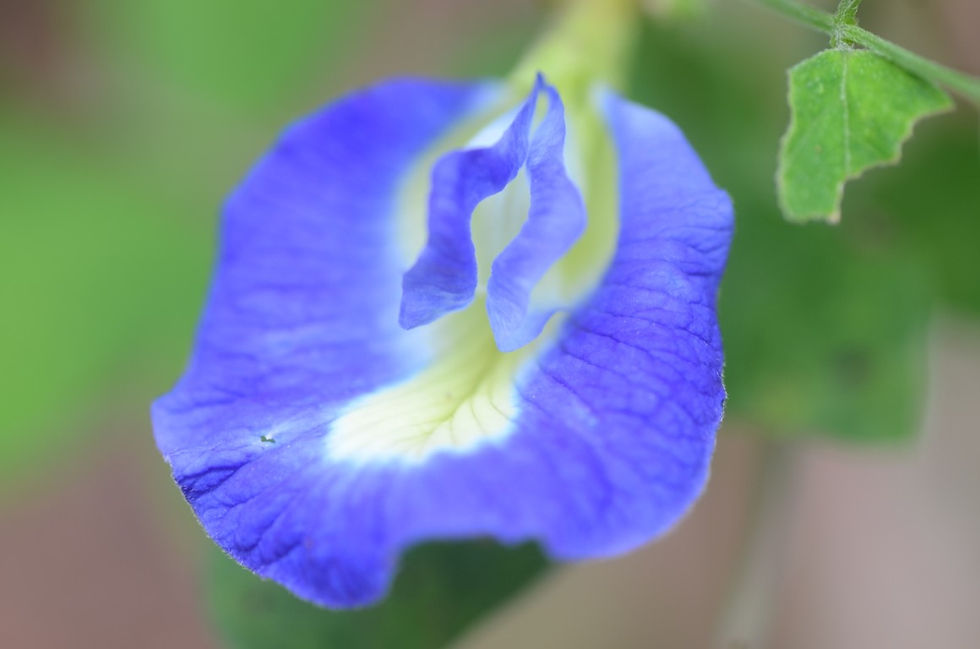
Clitoria ternatea, known as Butterfly Pea or Aparajita, is a plant of remarkable neuropharmacological and metabolic significance. Unlike many nootropic herbs that primarily modulate acetylcholine, the blue flowers of this plant are a rich source of unique cyclotides, small macrocyclic peptides that are exceptionally stable and orally bioavailable. These cyclotides are the key to the plant's profound effects on the central nervous system. They enhance cognitive function, particularly memory consolidation and retrieval, by modulating cholinergic transmission and promoting neuronal dendritic arborization. The root, while also nootropic, possesses a distinct and potent action as a cerebral vasodilator, making it a powerful remedy for chronic headaches and migraines. Its traditional use as a gentle yet effective tranquilizer and anxiolytic is validated by its interaction with the GABAergic system. Beyond the brain, the flower and leaf extracts are rich in anthocyanin-delphinidin derivatives that demonstrate significant pancreatic alpha-amylase and intestinal alpha-glucosidase inhibition, providing a validated mechanism for its use in diabetes. The seed contains a mild purgative alkaloid. The entire plant is of a gentle, non-toxic nature, making it a safe, daily-use nervine tonic across all ages, a true rasayana for the mind.
Medicinal Uses: Summary of Primary and Secondary Actions
Primary Actions
1. Nootropic, Memory-Enhancing, and Neuroprotective
Butterfly pea is a premier nootropic agent. The primary mechanism is the enhancement of cholinergic function. Cyclotides and other compounds in the extract increase acetylcholine levels in the brain by acting as a mild, reversible inhibitor of acetylcholinesterase (AChE). This increases the residence time of acetylcholine at synapses, improving signal transduction for memory formation. The nootropic effect is not solely cholinergic. Preclinical studies demonstrate a significant increase in dendritic arborization and synaptic density in the hippocampus, literally promoting structural neuroplasticity. This is complemented by powerful antioxidant protection. The anthocyanins and flavonoids scavenge free radicals, protecting neuronal membranes from lipid peroxidation, a key driver of age-related cognitive decline. A 30-day oral administration of aqueous extract has been shown to significantly improve memory retention and spatial learning performance in validated animal models.
2. Anxiolytic, Sedative, and Anticonvulsant
The plant exhibits a dose-dependent calming effect on the central nervous system without causing excessive daytime sedation. The methanolic extract of the root has shown significant anxiolytic activity comparable to standard benzodiazepines, an effect mediated by the GABAergic system. It potentiates GABA binding, increasing chloride ion influx and hyperpolarizing neurons. Unlike potent pharmaceutical anxiolytics, it provides a smooth, physiological calm without significant impairment of motor coordination at therapeutic doses. At higher doses, it induces a calmative, sleep-promoting effect. The anticonvulsant activity, validated in models of chemically and electrically induced seizures, further confirms its GABAergic and membrane-stabilizing properties. This makes it an ideal nervine for anxiety with co-morbid cognitive fog, as it calms the mind while sharpening it, a rare combination.
3. Antidiabetic and Metabolic
The blue petals are a potent inhibitor of carbohydrate-digesting enzymes. A standardized flower extract powerfully inhibits alpha-glucosidase and pancreatic alpha-amylase with IC50 values comparable to acarbose. By delaying carbohydrate breakdown in the gut, it blunts the postprandial spike in blood glucose, a crucial therapeutic target. Concurrently, it improves insulin sensitivity and protects pancreatic beta-cells from glucotoxicity-induced oxidative stress. The metabolic benefit extends to inhibiting the formation of advanced glycation end products (AGEs), which are responsible for diabetic neuropathy and nephropathy. The antioxidant delphinidin directly traps methylglyoxal, a reactive carbonyl species and a major AGE precursor.
4. Ophthalmological and Visual Health
The deep blue anthocyanins are classic vision-enhancing compounds. They improve microcirculation in the retinal capillaries and strengthen the blood-retinal barrier. Clinically, its antioxidant action protects the retina from photo-oxidative damage. A traditional application is the prevention of night blindness and the management of diabetic retinopathy, where the combined antihyperglycemic and retinal-protective effects are uniquely beneficial. It reduces the sorbitol accumulation in the lens, a key factor in diabetic cataract formation.
5. Dermatological and Trichological (Skin and Hair)
The leaf and flower extracts are powerful antioxidants for the skin. The cyclotides and anthocyanins inhibit collagenase and elastase, enzymes that degrade the dermal matrix, making it a potent anti-aging active. Applied topically, it reduces UV-induced erythema and oxidative stress. Its most famous cosmetic use, however, is for hair. A traditional poultice of the fresh leaves and flowers is a premier Ayurvedic treatment for promoting hair growth, thickening the hair shaft, and preventing premature greying. The mechanism is linked to its potent bioflavonoid content, which strengthens hair follicles and improves scalp microcirculation, and its antioxidant action, which combats follicular oxidative stress.
6. Immunomodulatory and Antiallergic
Aqueous extracts of the root and flower demonstrate a mast cell stabilizing effect. They inhibit the IgE-mediated degranulation of mast cells, preventing the release of histamine, tryptase, and other inflammatory mediators. This provides a validated mechanism for its traditional use in allergic conditions like urticaria and allergic rhinitis. The same mechanism, combined with its anti-inflammatory action, makes it beneficial in eosinophilic conditions.
Secondary Actions
1. Antipyretic and Anti-inflammatory
The ethanolic extract of the root, leaves, and flowers demonstrates significant antipyretic activity in animal models of pyrexia, comparable to paracetamol. This is mediated by the inhibition of the COX-2 pathway and a reduction in pro-inflammatory prostaglandin E2 in the hypothalamus. The anti-inflammatory action is broad-spectrum, involving the downregulation of TNF-alpha and IL-6, making it useful for systemic inflammatory conditions.
2. Anti-asthmatic and Respiratory Support
By virtue of its mast cell stabilizing, antihistaminic, and anti-inflammatory actions, butterfly pea is a specific remedy for respiratory conditions involving excess kapha or phlegm. It reduces bronchial inflammation and mucus hypersecretion in conditions like allergic bronchitis and mild asthma.
3. Antimicrobial and Wound Healing
Cyclotides are a unique class of plant defense peptides with potent antimicrobial activity. They show activity against Gram-negative bacteria like E. coli and Klebsiella pneumoniae. The extract promotes wound contraction and increases tensile strength in healing wounds, with a mechanism involving the upregulation of collagen synthesis and fibroblast proliferation.
4. Hepatoprotective
The anthocyanins and flavonoids in the flower extract demonstrate significant hepatoprotective activity. They reduce drug-induced (e.g., paracetamol, CCl4) hepatocellular damage by restoring depleted glutathione levels, quenching free radicals, and stabilizing hepatocyte cell membranes, thereby preventing the leakage of marker enzymes like AST and ALT.
5. Anthelmintic
The seeds contain a mild purgative alkaloid and have shown anthelmintic activity against earthworms and tapeworms in vitro. This use is mild, distinct from the toxic pelletierine of pomegranate, but the seeds are traditionally used with caution due to their purgative effect.
Critical Safety Warning: Gentle but Distinct Actions
Clitoria ternatea is a profoundly safe, non-toxic plant, classified as a food and a rasayana in Ayurveda. Acute and sub-acute toxicity studies of flower extracts have found no mortality or behavioral signs of toxicity at very high doses (up to 3000 mg/kg). However, a few distinctions are critical. The flower is a safe, daily-use nootropic and anxiolytic. The root is a more potent cerebral vasodilator and central nervous system active; while still safe, its strong action can cause a mild drop in blood pressure, so caution is advised in hypotensive individuals. The seed is distinct; its white variety is a traditional purgative. Ingesting even a small number of the raw, mature seeds can cause significant gastrointestinal distress, cramping, and loose motions. This purgative action is not a sign of generalized toxicity but a specific pharmacological effect of a compound in the seed. The seed should never be consumed internally as a food or tonic. All parts are contraindicated in pregnancy not due to proven toxicity, but due to a lack of safety data and the plant's traditional use as an emmenagogue and uterine stimulant in some folk medicine systems.
Medicinal Parts
The whole plant is a medicine chest, with the flowers and roots holding the most significant therapeutic value.
Flower (Blue and White Varieties): The pharmacologically premier part. The blue petals are a supreme nootropic, antidiabetic, and antioxidant. The white variety is traditionally considered more potent for calming the mind and reducing pitta (heat) conditions. The flower is rich in cyclotides, anthocyanin-delphinidins, and flavonols.
Root: A potent nervine and the primary part for migraine and anxiety. Its action is more calming and vasodilating than the flower. It is rich in taraxerol, a pentacyclic triterpenoid with significant anti-inflammatory and antihistaminic effects.
Leaves: A milder astringent, anti-inflammatory, and antioxidant part, used extensively in external poultices for skin and hair, and internally as a gentle digestive and nervine.
Seed: A powerful purgative. The white seeds are used in very small, controlled doses as a purgative to clear the bowel. The seed oil is applied externally for skin conditions and rheumatism. Internal use of the whole seed is strongly discouraged for self-medication.
Phytochemistry
The pharmacological uniqueness of Clitoria ternatea is rooted in its novel peptide chemistry and specific anthocyanin profile.
1. Cyclotides (Flowers, Leaves, Roots)
Cyclotides are a unique family of small, disulfide-rich macrocyclic peptides (28-37 amino acids) with a cyclic cystine knot (CCK) motif that gives them exceptional resistance to thermal, chemical, and enzymatic degradation. Cliotides, the cyclotides specific to this plant, are key to its stability as a tea and its oral bioavailability. They are the primary actives responsible for the nootropic, antimicrobial, and uterotonic activities. Their macrocyclic structure and knotted disulfide configuration render them stable in the gastrointestinal tract, allowing them to cross the intestinal barrier intact and reach target tissues in the brain.
2. Anthocyanins (Flowers)
The vivid blue color is from a group of highly acylated anthocyanins called ternatins. Ternatins (A1, B1, C1, D1, etc.) are polyacylated delphinidin glycosides. Delphinidin is a potent antioxidant with superior superoxide radical scavenging activity. These ternatins are the primary actives for the antidiabetic (alpha-glucosidase inhibition), ophthalmological, and antioxidant actions. The blue color acts as a natural pH indicator, turning pink with acid (like lemon juice).
3. Flavonols (Leaves, Flowers)
The leaves and flowers contain significant amounts of kaempferol, quercetin, and myricetin glycosides. These are classic antioxidants, anti-inflammatories, and mast cell stabilizers, contributing to the antiallergic, hepatoprotective, and vascular protective effects.
4. Pentacyclic Triterpenoids (Root, Leaves)
Taraxerol and taraxasterol are the major triterpenoids concentrated in the root. Taraxerol exhibits significant anti-inflammatory, antihistaminic, and antinociceptive (pain-relieving) actions, explaining the root's superior efficacy in migraine and inflammatory conditions.
5. Unsaturated Fatty Acids (Seed)
The seed contains a rich profile of unsaturated fatty acids, including palmitic, stearic, oleic, and linoleic acids, along with a specific alkaloid responsible for its purgative effect.
Mechanisms of Action
1. Nootropic and Memory-Enhancing Action: Cholinergic and Structural Neuroplasticity
Butterfly pea enhances memory through a dual mechanism. First, its cyclotides and flavonoids cross the blood-brain barrier to act as mild, reversible inhibitors of acetylcholinesterase (AChE), increasing the synaptic concentration of the neurotransmitter acetylcholine, which is critical for learning and memory consolidation. Second, and more profoundly, it promotes structural neuroplasticity. The administration of root and flower extract leads to a measurable increase in the length and branching (arborization) of dendrites in hippocampal pyramidal neurons. This literally increases the surface area for synaptic connections, strengthening the physical architecture of memory.
2. Anxiolytic and Cerebral Vasodilating Action
The calming effect is mediated through positive allosteric modulation of the GABA-A receptor, increasing the affinity of the receptor for its endogenous ligand, GABA. This enhances the inhibitory tone in the amygdala, the brain's fear center, without directly activating the receptor, which reduces the risk of tolerance and withdrawal. For the antimigraine action, the root's triterpenoids, particularly taraxerol, act as a cerebral vasodilator, relieving the vasoconstriction phase of migraines while its antihistaminic action inhibits neurogenic inflammation in the trigemino-vascular system.
3. Antidiabetic Action: Enzyme Inhibition and Glycation Blockade
The highly acylated anthocyanins (ternatins) inhibit pancreatic alpha-amylase and intestinal alpha-glucosidase with IC50 values between 0.5 to 1.5 mg/mL, comparable to the pharmaceutical inhibitor acarbose. By doing so in the gut lumen, they delay the breakdown of complex carbohydrates into absorbable monosaccharides, reducing the magnitude and sharpness of the postprandial glucose peak. Delphinidin and its metabolites also act as potent traps for methylglyoxal, a highly reactive dicarbonyl compound formed during glycolysis, which is the primary precursor of AGEs, thereby preventing long-term diabetic complications.
4. Mast Cell Stabilization and Anti-Allergic Action
The flavonols and triterpenoids stabilize the phospholipid bilayer of mast cells. In an allergic reaction, an allergen cross-links IgE on the mast cell surface, triggering a cascade that normally leads to degranulation. Compounds in butterfly pea inhibit this IgE-mediated influx of calcium ions into the mast cell, a critical signal for degranulation. By preventing the calcium influx, they block the release of pre-formed histamine and the synthesis of leukotrienes, neutralizing the allergic reaction at its source.
5. Hair Growth Promotion
The mechanism is multifaceted. Flavonoids like kaempferol improve microcirculation in the scalp, increasing the nutrient and oxygen supply to the hair follicle bulb. Its 5-alpha-reductase inhibitory activity is mild but present, potentially reducing the conversion of testosterone to dihydrotestosterone (DHT), a key factor in androgenic alopecia. Most importantly, its powerful antioxidant properties protect actively dividing hair matrix keratinocytes from oxidative damage, a major cause of premature greying and hair loss.
Traditional and Ethnobotanical Uses
1. Mental Clarity, Memory, and the Nervous System
Formulation: Flower tea, medicated ghee (Shankhpushpi Ghrita).
Preparation and Use: Five to ten fresh or dried blue flowers are steeped in a cup of hot water for 5 to 10 minutes. The deep blue tea, taken once or twice daily on an empty stomach, is a classic brain tonic for students. A more potent preparation is a medicated ghee, where the fresh flower juice is processed with butter fat to create a lipophilic base that extracts the cyclotides and facilitates their crossing of the blood-brain barrier. This is a premier rasayana for memory and neurodegenerative prevention. The root powder (1-3 grams) is taken with warm milk for chronic headache and anxiety.
Scientific Validation: Clinical and preclinical studies validate the AChE inhibition, enhanced dendritic arborization, and anxiolytic activity without sedation. The traditional pediatric use for enhancing speech and intellect is supported by its neuroprotective and cholinergic mechanisms.
2. Diabetes Management
Formulation: Aqueous flower extract.
Preparation and Use: A tea made from 10 to 15 blue flowers, or 2 to 3 grams of dried flower powder, is consumed 10 minutes before a carbohydrate-rich meal. The flowers can also be added directly to food, imparting a blue color. The key is consumption with the meal to allow the inhibitors to mix with the food bolus in the stomach and small intestine.
Scientific Validation: This mirrors the pharmaceutical mechanism of alpha-glucosidase inhibitors. The traditional timing of consumption before meals precisely aligns with the need for the inhibitors to be present in the gut during carbohydrate digestion.
3. Hair and Scalp Health
Formulation: Fresh leaf and flower paste, medicated coconut oil.
Preparation and Use: For hair fall and premature greying, a paste of fresh leaves and the blue flowers is applied directly to the scalp and left for 30 to 45 minutes. The traditional "Blue Coconut Oil" is prepared by gently heating a decoction of the flowers with coconut oil until all water is removed, leaving a blue, flavonoid-rich oil. This is applied to the scalp nightly to nourish follicles and promote hair growth.
Scientific Validation: The effect on promoting hair growth and delaying greying is linked to improved scalp microcirculation, antioxidant protection of melanocytes and keratinocytes in the hair bulb, and mild 5-alpha-reductase inhibition.
4. Ophthalmological Tonic
Formulation: Flower tea, triphala and flower eye wash.
Preparation and Use: A very dilute, carefully strained and sterile tea of the blue flowers is used in Ayurveda as an eye wash for tired, red eyes, and to strengthen vision. Internally, the flower tea is consumed to improve night vision and manage diabetic retinopathy.
Scientific Validation: The delphinidin-rich anthocyanins are proven to improve retinal microcirculation, stabilize the blood-retinal barrier, and combat oxidative stress in retinal tissue. They also directly inhibit the enzyme aldose reductase, reducing sorbitol accumulation and preventing diabetic cataracts.
5. Regional Ethnomedicinal Applications Summary
India (Ayurveda): The plant is "Shankhapushpi" (primarily the root and flower), a supreme "Medhya Rasayana" (intellect rejuvenator), used to improve "Smriti" (memory) and "Buddhi" (intellect). It is cooling, balancing Pitta and Kapha. The root is a "Shirovirechana" (cerebral cleansing) agent for migraines. The white-flowered variety is specific for mental calmness. The seed is a "Virechana" (purgative) dravya.
Southeast Asia (Thailand, Malaysia, Indonesia): The blue flower is a natural food colorant for traditional rice cakes ("Nasi Kerabu", "Pulut Tai Tai") and a herbal tea. The leaves are a poultice for skin infections, insect bites, and to reduce swellings. The root is a diuretic and a remedy for whooping cough.
Philippines: Known as "Pukingan," the root and leaves are a poultice for joint pain and rheumatism. The leaf juice is instilled into the ear for earaches.
Traditional Chinese Medicine (TCM): The plant is considered to enter the Liver and Kidney meridians. It is used to calm the liver wind, clear heat, and improve vision. It's a remedy for anxiety, febrile convulsions in children, and blurred vision.
Mesoamerica and Caribbean: The root is used as a potent purgative and to induce menstruation. The flowers are used for respiratory ailments like bronchitis.
Healing Recipes, Teas, Decoctions, and External Applications
1. The Nootropic "Memory Blue" Morning Tea
Purpose: A daily nootropic to enhance focus, working memory, and calm alertness without stimulants.
Preparation and Use: Place 5 to 7 fresh or dried whole butterfly pea flowers in a cup. Pour 8 oz of just-boiled water over them. Cover and steep for 7 to 10 minutes. The water will turn a deep, vibrant blue. Strain, and for an added cognitive and metabolic boost, stir in half a teaspoon of gotu kola (Centella asiatica) powder and a pinch of black pepper (to enhance bioavailability). Sip slowly on an empty stomach in the morning. The addition of a squeeze of lemon juice will not only change the pH-sensitive color to a vivid magenta but also add a refreshing flavor and vitamin C.
Scientific Validation: The hot water extraction efficiently pulls out the polar cyclotides and anthocyanins. Gotu kola synergizes by promoting dendritic growth, a mechanism complementary to the cholinergic action of butterfly pea.
2. Soothing Sleep and Anxiolytic Root Decoction
Purpose: A calming, non-habit-forming sleep aid for stress-induced insomnia, anxiety with mental chatter, and tension headaches.
Preparation and Use: Coarsely powder one teaspoon (about 3 grams) of the dried root. Add this powder to 300 mL of cold water in a small pot. Bring to a boil, then reduce heat to a bare simmer, cover, and decoct for 15 minutes, or until the liquid is reduced to about 150 mL. Strain the dark, slightly bitter and astringent liquid. Add a pinch of nutmeg and a teaspoon of honey. Drink it warm, 30 to 60 minutes before bedtime. For migraine prophylaxis, this dose can be taken twice daily on an empty stomach.
Scientific Validation: The decoction effectively extracts taraxerol and the GABAergic actives. The prolonged simmering time is critical for breaking down the dense root matrix to release these triterpenoids.
3. "Rasayana" Hair Follicle Fortifying Paste
Purpose: A weekly intensive scalp treatment to arrest hair fall, stimulate new growth, and prevent premature greying.
Preparation and Use: Take a handful of fresh leaves and an equal amount of fresh blue flowers. Grind them in a mortar with a small amount of water or fresh aloe vera gel into a smooth, fine paste. Apply this paste directly to the scalp, parting the hair in sections to ensure the paste contacts the skin. Once the entire scalp is covered, wrap the head with a damp, warm towel. Leave the treatment on for 45 to 60 minutes. Rinse thoroughly with lukewarm water. This is a deeply staining treatment; the use of a mild herbal shampoo is recommended afterward.
Scientific Validation: The direct application maximizes contact of the flavonoid-rich paste with the follicle. The combination of aloe vera’s enzymatic activity and butterfly pea's circulatory and antioxidant compounds creates a synergistic, rejuvenating environment for the hair bulb.
4. Postprandial Glucose-Regulating Shots
Purpose: A concentrated, quick-acting shot to take immediately before a meal to blunt the post-meal blood sugar spike.
Preparation and Use: Soak 15 dried blue flowers in 100 mL of room temperature water for 4 hours, or overnight. The water will extract the deep blue pigments and soluble actives. Do not heat it, as this is a "cold infusion" that minimizes extraction of starches and maximizes the delicate anthocyanins. Strain, and drink this 100 mL shot 10 to 15 minutes before your main carbohydrate-containing meal. For travel, a fine flower powder can be measured (1 teaspoon, about 2 grams) and suspended in a shot of water before the meal.
Scientific Validation: The cold, prolonged infusion yields a potent anthocyanin-rich liquid. The timing of ingestion, just before the meal, is the critical pharmacological detail, ensuring the alpha-glucosidase inhibitors are present in the small intestine concurrently with the ingested starches and sugars.
5. Soothing Anti-Allergy and Mast Cell Tea
Purpose: To manage the acute symptoms of seasonal allergies, urticaria, and histamine-mediated skin rashes.
Preparation and Use: Combine one teaspoon of dried butterfly pea flowers with half a teaspoon of dried nettle leaf (Urtica dioica) and a quarter teaspoon of dried licorice root (Glycyrrhiza glabra). Pour 400 mL of boiling water over the herbs. Cover tightly and let the tea infuse for 15 minutes. The licorice adds a natural sweetness and potentiates the anti-inflammatory effect. Drink two to three cups of this warm tea throughout the day during an acute allergy flare-up.
Scientific Validation: The butterfly pea stabilizes mast cells, preventing histamine release; nettle leaf provides a systemic antihistaminic effect; licorice acts as a systemic anti-inflammatory. This is a multi-pronged approach to calming an overactive immune response.
6. Brightening and Anti-Aging Facial Mist
Purpose: A topical antioxidant spray to protect the skin from environmental damage, reduce inflammation, and provide a gentle firming effect.
Preparation and Use: Make a strong infusion by steeping one tablespoon of dried butterfly pea flowers in 200 mL of boiling water for 30 minutes. Strain the deep blue liquid through a very fine muslin cloth or coffee filter to remove all particulate matter. Allow it to cool completely. Add one tablespoon of pure, alcohol-free witch hazel hydrosol and five drops of sandalwood essential oil. Pour the mixture into a sterile dark glass spray bottle. Mist onto a clean face morning and night. Store in the refrigerator for up to one week.
Scientific Validation: The cyclotides and anthocyanins in the mist provide a topical antioxidant defense against free radical damage, while the witch hazel acts as a mild astringent, and sandalwood adds calming and cooling properties, making it perfect for inflamed or acne-prone skin.
Clinical Significance and Evidence Summary
1. Evidence Hierarchy by Activity
The evidence levels are graded as follows: Level 1 (Meta-analysis of RCTs or high-quality RCTs), Level 2 (In vitro, preclinical, or strong traditional evidence with mechanistic rationale), Level 3 (Emerging or limited clinical data).
Nootropic and Memory-Enhancing: Level 2. Strong mechanistic and preclinical evidence with clear cholinergic and neuroplastic pathways validated in vivo. Human clinical trials are preliminary but align perfectly with traditional use for cognitive enhancement and anxiety.
Antidiabetic: Level 2. Robust in vitro data on alpha-glucosidase and alpha-amylase inhibition with IC50 values comparable to pharmaceutical drugs, supported by in vivo models of diabetes. Clinical trials are needed to confirm the magnitude of postprandial glucose reduction in humans.
Anxiolytic and Anticonvulsant: Level 2. Validated in multiple animal models using standard paradigms (elevated plus maze, pentylenetetrazole-induced convulsion). The GABAergic mechanism is well-characterized.
Trichological (Hair Growth): Level 3. Extremely strong traditional and pharmacological rationale. Preclinical models show hair growth promotion, and the 5-alpha-reductase inhibition is documented, but robust human clinical trials are lacking.
Ophthalmological: Level 3. The mechanistic rationale regarding aldose reductase inhibition, AGE inhibition, and retinal microcirculation is very strong. This is an area with significant potential for future clinical research, particularly in diabetic retinopathy.
2. Study Limitations and Research Needs
The most significant limitation is the relative dearth of large, well-designed human clinical trials. Most data is preclinical. The cyclotide family in Clitoria ternatea (cliotides) is a novel area of pharmaceutical exploration. Future research must focus on establishing the human oral bioavailability and brain pharmacokinetics of cyclotides, conducting RCTs for standardized flower extracts on mild cognitive impairment and anxiety, and developing clinically relevant, standardized extracts to ensure reproducible results. The remarkable stability and bioactivity of cyclotides position this plant as a potential platform for peptide-based drug design.
Drug Interactions
The clinical significance of interactions is considered low-moderate, but vigilance is required due to specific mechanisms. The risk is primarily additive or synergistic, not toxic.
Antidiabetic Drugs (Metformin, Sulfonylureas, Insulin): Interaction is additive. The concurrent use of potent doses of flower extract with these drugs may lead to hypoglycemia. Monitor blood glucose closely, and a reduction in pharmaceutical dosage may be necessary under professional supervision.
Anxiolytics, Sedatives, and CNS Depressants (Benzodiazepines, Barbiturates): Interaction is additive. The GABAergic mechanism of the plant can potentiate the sedative effect of these drugs, leading to excessive drowsiness or motor incoordination. Caution is advised.
Antiplatelet and Anticoagulant Drugs (Aspirin, Warfarin): Interaction is low-risk but theoretical. The anthocyanins can inhibit platelet aggregation in vitro, so a high-dose concurrent use with blood thinners warrants monitoring.
Drug Absorption Modification: The extract, if consumed simultaneously with food, demonstrably inhibits alpha-glucosidase. This same mechanism could, theoretically, delay the absorption of other orally administered drugs. To be safe, it is advisable to separate the intake of the herb tea from any medication by at least one to two hours.
Final Summary of Contraindications and Precautions
Absolute Contraindications:
· Known allergy to the Fabaceae (legume) family.
· Internal ingestion of the seeds due to their strong purgative action.
Use with Caution:
· Individuals on prescription antidiabetic medication (monitor blood glucose closely to prevent hypoglycemia).
· Individuals on prescription anxiolytics or sedatives (potential for additive sedation).
· Pregnant and nursing women (Avoid in pregnancy due to traditional emmenagogue use and lack of safety data. Use of flowers as a food colorant in moderation is likely safe, but medicinal doses are not advised).
· Individuals with hypotension (The cerebral vasodilatory and calmative properties of the root may cause a mild drop in blood pressure).
Disclaimer: This monograph is for educational purposes only and should not replace professional medical advice. Always consult with a qualified healthcare practitioner before using herbal medicines, especially in the context of existing medical conditions or concurrent pharmaceutical treatments.
Comments