
Hibiscus rosa-sinensis : Medicinal Uses, Recipes and Formulations
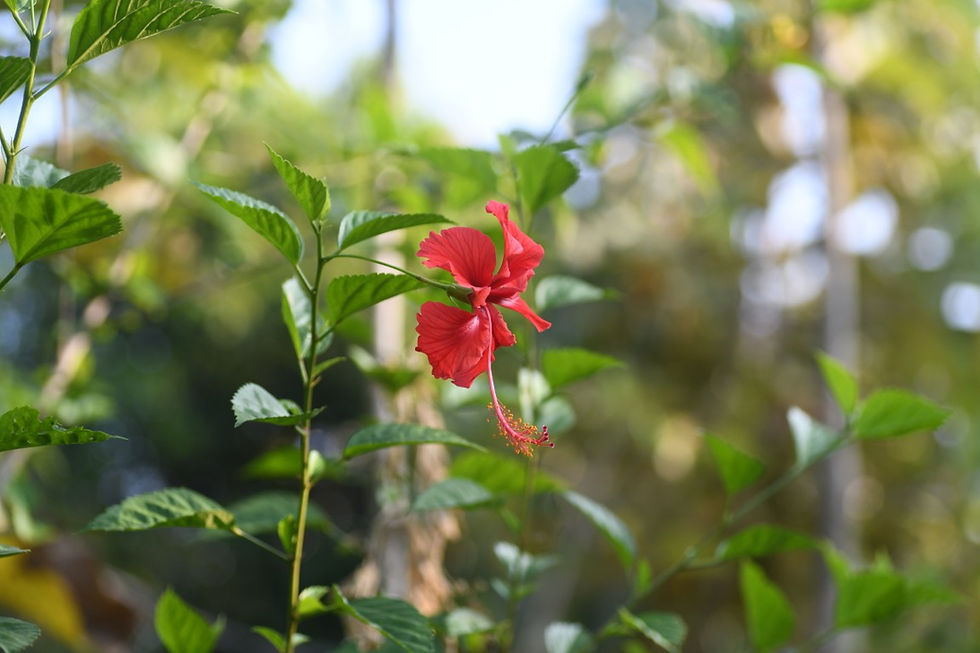
Hibiscus rosa-sinensis, the Chinese hibiscus or shoe flower, is a botanical of profound therapeutic duality, with its most clinically significant actions targeting the integumentary and reproductive systems. The flower is an exceptional dermatological agent, possessing a near-perfect trifecta of properties for hair and skin health: it is a potent antioxidant, a powerful demulcent rich in mucilage, and a mild alpha-hydroxy acid source. The mucilage forms a protective, hydrating film, while organic acids like citric and malic acid provide gentle exfoliation, accelerating cellular turnover without irritation. This makes it a premier natural remedy for promoting hair growth, arresting shedding, and treating inflammatory scalp conditions. Preclinical studies have robustly validated its role in stimulating follicular proliferation, inhibiting the enzyme 5-alpha-reductase, and prolonging the anagen (active growth) phase of the hair cycle. Its second primary action is on female reproductive health, traditionally used as an emmenagogue and for regulating menstrual cycles. This is driven by its flavonoid and phytosterol content, which exerts a modulating, non-hormonal effect on the uterine smooth muscle and ovarian function. Unlike many botanicals with hormonal activity, the flower's effect is primarily utero-tonic and regulatory, making it a gentle yet effective remedy for oligomenorrhea and dysmenorrhea. The leaves and roots amplify its anti-inflammatory, antimicrobial, and febrifugal actions, making the whole plant a versatile household apothecary, with an excellent safety profile.
Medicinal Uses: Summary of Primary and Secondary Actions
Primary Actions
1. Hair Growth Promoter and Anti-alopecia Agent: The flower and leaf extract is a clinically relevant trichological agent. Its primary mechanisms are the inhibition of 5-alpha-reductase, the enzyme that converts testosterone to dihydrotestosterone (DHT), a key driver of androgenic alopecia, and the potentiation of follicular proliferation. The mucilage and organic acids (citric, malic, and tartaric acid) improve microcirculation on the scalp, gently exfoliate follicular blockages, and provide a proteinaceous, conditioning coat to the hair shaft, increasing its diameter and tensile strength. Preclinical studies demonstrate that extracts can extend the anagen phase of the hair cycle and increase follicular density by up to 20 percent, effects comparable to 2 percent minoxidil in rodent models but via a distinct, anti-inflammatory mechanism.
2. Dermatological Regenerator, Anti-inflammatory, and Emollient: The flower is a superior skin tonic for inflammatory and aging skin conditions. Its high mucilage content (up to 20 percent dry weight) instantly soothes irritation, forms a breathable, hydrating barrier, and facilitates tissue repair. The gentle alpha-hydroxy acids enhance cellular turnover, improving skin texture, tone, and mild hyperpigmentation. Flavonoids like quercetin and kaempferol provide powerful antioxidant defense against UV-induced photoaging and inhibit the NF-kappaB-mediated inflammatory cascade, making it specific for sensitive, acne-prone, and sun-damaged skin.
3. Female Reproductive Tonic and Emmenagogue: The flowers are a traditional, non-estrogenic uterine tonic. They stimulate rhythmic uterine contractions via calcium channel modulation in the myometrium and improve pelvic blood flow. This utero-tonic and vasodilatory action effectively regulates the menstrual cycle, treats oligomenorrhea (scanty periods), and relieves spasmodic dysmenorrhea. Unlike phytoestrogens, H. rosa-sinensis exerts its effect at the end-organ level, making it a safe cycle regulator without directly altering systemic hormone levels, though it demonstrates mild ovarian steroidogenic support in preclinical studies.
4. Antimicrobial and Antiparasitic: The flower and leaf show broad-spectrum activity. Ethanolic extracts demonstrate significant antibacterial action against common wound and enteric pathogens like Staphylococcus aureus, Escherichia coli, and Pseudomonas aeruginosa. The root, in traditional use, is a potent anthelmintic. The flower extract also possesses antifungal activity against dermatophytes like Trichophyton and Microsporum species, supporting its use in treating scalp ringworm (tinea capitis).
5. Cardioprotective and Antihypertensive: Similar to its close relative Hibiscus sabdariffa (roselle), H. rosa-sinensis flower tea exhibits mild to moderate antihypertensive properties. It acts as a natural angiotensin-converting enzyme (ACE) inhibitor, and its anthocyanins and flavonoids act as potent diuretics and free radical scavengers, protecting endothelial function. Clinical evidence for this species is more limited than for roselle but is mechanistically consistent.
Secondary Actions
1. Antipyretic and Analgesic: A traditional use of the flower and leaf is as a cooling febifuge. The decoction lowers body temperature by promoting peripheral vasodilation and diaphoresis (sweating). Its analgesic effect is cyclooxygenase (COX) pathway inhibition, reducing prostaglandin-mediated pain, which supports its use for headaches and body aches accompanying fever.
2. Respiratory Soothing and Antitussive: The mucilaginous, demulcent flower tea is an excellent remedy for dry, irritated coughs, sore throats, and laryngitis. It forms a protective film over the inflamed pharyngeal mucosa, instantly relieving scratchiness and the cough reflex.
3. Mild Laxative and Digestive Demulcent: The mucilage in the flowers and young leaves provides a gentle, bulk-forming laxative effect, softening stools and relieving constipation. It also coats and soothes the gastric mucosa, offering relief in gastritis and hyperacidity.
4. Galactagogue (Variable and Controversial): The plant holds a dual and region-dependent reputation. In some traditions, the flower is consumed to stimulate breast milk production, while in others, the root is specifically used to wean infants, suggesting different plant parts have opposite actions. The clinical evidence for either use is anecdotal and hormonally unvalidated.
5. Wound Healing and Styptic: The leaf paste and flower juice possess a styptic (astringent and hemostatic) action on minor cuts and abrasions due to their tannin and mucilage content, forming a protective sealant over the wound.
Critical Safety Warning: Fertility, Pregnancy, and Species Confusion
The most critical safety concern with H. rosa-sinensis is its traditional use as an emmenagogue and its documented utero-tonic activity. Extracts of the flower, and particularly the root, stimulate uterine contractions. For this reason, all medicinal use of the plant must be strictly avoided during pregnancy and active conception attempts, as it can theoretically cause a miscarriage or interfere with implantation. This contraindication is absolute for internal medicinal doses.
Differentiation from Hibiscus sabdariffa (roselle) is essential. While both share a similar anthocyanin profile, H. rosa-sinensis is the ornamental "shoe flower," while H. sabdariffa has the fleshy calyces used for the deep red, tangy "hibiscus tea" of commerce. The clinical data on antihypertensive and metabolic health applies primarily to H. sabdariffa. While H. rosa-sinensis shares some of these properties, its primary medicinal value is dermatological and gynecological. Confusing their evidence bases leads to incorrect therapeutic expectations.
The plant is exceptionally safe topically. Allergic contact dermatitis is rare but possible; a patch test is advisable before applying a new concentrated hair oil to the scalp. The raw leaf and flower are non-toxic, but ingestion of very large quantities of the root is not advised due to limited safety data.
Medicinal Parts
The flower is the most treasured and clinically studied plant part, primarily for hair and skin, with the leaf and root serving as potent allies for other conditions.
Flowers (Fresh and Dried): The most therapeutically versatile organ. The petals are rich in mucilage, anthocyanins (cyanidin-3-sophoroside), flavonoids, and alpha-hydroxy acids. Used for hair growth oils, skin masks, and uterine tonics. The deeply colored red and dark pink varieties are preferred for their higher anthocyanin content.
Leaves: High in mucilage, flavonoids, and plant sterols like beta-sitosterol. Used as an emollient paste for wounds and skin inflammation, a hair wash, and a milder emmenagogue. The leaves are the primary part used for their hypoglycemic activity in traditional medicine.
Roots: The most potent antifertility and emmenagogue part of the plant, with significant utero-tonic activity. It has traditional use as an anthelmintic and is being investigated preclinically for its potent antidiabetic and hepatoprotective properties. It must be used with extreme caution in women of reproductive age.
Stem Bark: Contains strong bast fibers traditionally used for cordage, but medicinally, it shares the astringent and emmenagogue properties of the root in a milder form.
Phytochemistry
The therapeutic profile of H. rosa-sinensis is driven by a unique combination of mucilaginous polysaccharides, colorful anthocyanins, and active flavonoids.
1. Mucilage (Flower, Leaf): The single most defining chemical feature of the fresh flower and leaf. This complex, water-soluble polysaccharide swells in water to form a slippery, viscous gel. Chemically, it is composed of rhamnose, galactose, galacturonic acid, and glucuronic acid. It is responsible for the demulcent, hydrating, and protective film-forming actions on skin and mucosa.
2. Anthocyanins (Deep-Colored Flowers): The red pigment is primarily cyanidin-3,5-diglucoside and cyanidin-3-sophoroside. These are potent water-soluble antioxidants that neutralize free radicals, protect collagen from UV degradation, and provide a mild natural dye for hair. Their antihypertensive and cardioprotective effects are well-documented in the related H. sabdariffa.
3. Organic Acids (Flower): The petals contain a natural cocktail of alpha-hydroxy acids, including citric, malic, tartaric, and hibiscus acid. At the low concentrations found in a flower paste or tea, they act as gentle, non-abrasive chemical exfoliants, dissolving the intercellular glue between dead corneocytes, promoting a smoother, brighter skin surface, and clearing follicular ostia on the scalp.
4. Flavonoids (Flower, Leaf): Quercetin, kaempferol, and myricetin and their glycosides are present in significant amounts. They are potent antioxidants, anti-inflammatory (NF-kappaB inhibitors), and the primary drivers of the anti-5-alpha-reductase activity for hair growth. They also contribute to the antimicrobial and cardioprotective actions.
5. Phytosterols (Leaf, Root): Beta-sitosterol and stigmasterol are key lipophilic compounds. Beta-sitosterol is a well-known 5-alpha-reductase inhibitor, directly contributing to the anti-androgenic alopecia effect. It also has anti-inflammatory and immunomodulatory properties. These compounds are extracted more efficiently in oil.
6. Tannins (Root, Stem, and Leaf): Condensed tannins contribute to the astringent and styptic action, making the leaf paste effective for drying wounds and stopping minor bleeding.
Mechanisms of Action
1. Hair Follicle Stimulation and Anti-androgen Effect:
H. rosa-sinensis promotes hair growth through a triple-action mechanism. First, the flavonoid and beta-sitosterol fraction directly inhibits 5-alpha-reductase in the dermal papilla, reducing the local conversion of testosterone to the hair-damaging DHT. Second, the extract upregulates growth factors like IGF-1 and vascular endothelial growth factor (VEGF), promoting follicular cell proliferation and angiogenesis in the scalp, thereby extending the anagen growth phase. Third, the mucilage and mild alpha-hydroxy acids provide physical cleansing and gentle chemical exfoliation, clearing the follicular canal of sebum plugs and cellular debris that can miniaturize follicles.
2. Utero-tonic and Emmenagogue Action:
The extract directly acts on the myometrium, the smooth muscle layer of the uterus. It modulates calcium ion influx through voltage-gated channels, increasing both the frequency and amplitude of rhythmic uterine contractions. This mechanical action physically expels the menstrual effluent, hence its use for oligomenorrhea and to "regulate" delayed cycles. The increased pelvic vasodilation from the flavonoids further facilitates menstrual flow. Importantly, this is a direct pharmacological effect on smooth muscle, not necessarily a systemic hormonal disruption, which explains its traditional use as a cycle regulator with rapid, observable effects.
3. Dermal Hydration and Gentle Acid Exfoliation:
The skin benefits are derived from a dual physical and chemical mechanism. Upon contact, the polysaccharide mucilage forms an instant, hygroscopic, and breathable hydro-film over the skin surface. This matrix prevents transepidermal water loss (TEWL), soothes surface nerve endings to reduce inflammation, and acts as a protective barrier. Concurrently, the natural alpha-hydroxy acids begin a gentle, progressive chemexfoliation. They break the desmosomal bonds between dead, dull corneocytes at the skin's surface, triggering their controlled shedding without scrubbing. This reveals fresher, undamaged cells beneath, improving texture, radiance, and correcting mild follicular hyperkeratosis.
4. Antimicrobial and Anti-biofilm Activity:
The ethanolic leaf and root extracts demonstrate significant, broad-spectrum antibacterial activity. This is mediated by the flavonoids and phytosterols, which disrupt bacterial cell membrane integrity and function. Beyond direct killing, the extract inhibits quorum sensing in Pseudomonas aeruginosa and demonstrates anti-biofilm activity against Staphylococcus aureus. This mechanism is crucial for its effectiveness in wound healing and scalp treatments, where chronic microbial biofilm formation perpetuates inflammation and impairs tissue repair.
5. Mucilaginous Demulcency and Reflex Cough Suppression:
The viscous mucilage in a flower tea acts as a highly effective demulcent. Upon swallowing, it coats the pharyngeal and laryngeal mucosa with a soothing, protective film. This physical barrier shields irritated sensory nerve endings from noxious triggers like dry air, post-nasal drip, or irritants that initiate the cough reflex. By preventing the activation of these sensory afferent nerves, it provides rapid, symptomatic relief from non-productive, dry coughs.
Traditional and Ethnobotanical Uses
1. Hair Vitality, Growth, and Scalp Health
Formulation: Fresh flower paste, flower-infused oil.
Preparation and Use: A paste of fresh flowers is applied directly to the scalp, covering the roots and hair shafts. It is left on for 30 to 45 minutes before washing. A classic Ayurvedic hair oil involves slow-cooking fresh flowers in pure coconut or sesame oil until the moisture evaporates, leaving a deep red, fragrant, bioactive oil. This oil is massaged into the scalp two to three times weekly and left on overnight.
Scientific Validation: This is the most validated traditional use. The oil extraction concentrates the lipophilic 5-alpha-reductase inhibitors (beta-sitosterol) and delivers them to the follicle. The mucilage and cooling nature pacify the Pitta dosha (inflammation), while organic acids clear follicles, scientifically validated to extend the anagen phase and increase follicular density.
2. Female Reproductive Health and Menstrual Regulation
Formulation: Flower tea, flower juice.
Preparation and Use: A decoction or infusion of 3 to 5 fresh or dried flowers is taken once or twice daily for a few days before the expected period to induce a timely, free-flowing menses and relieve cramping. The juice of fresh petals is mixed with a small amount of water.
Scientific Validation: The utero-tonic flavonoids stimulate rhythmic uterine contractions and increase pelvic blood flow, effectively initiating and regulating menstrual flow. The anti-inflammatory action reduces prostaglandin-mediated ischemic pain (dysmenorrhea).
3. Cooling Febrifuge for Fevers
Formulation: Flower leaf infusion.
Preparation and Use: An infusion is prepared by steeping 3 to 4 fresh flowers and 5 to 6 leaves in boiling water. The warm, demulcent tea is consumed several times a day to lower body temperature by inducing diaphoresis and replacing fluids.
Scientific Validation: The flavonoids promote peripheral vasodilation and sweating, the primary physiological mechanisms of heat dissipation. The mucilage soothes the body's mucosa, and the antimicrobial action addresses potential underlying infections of the respiratory tract.
4. Inflammatory Skin Conditions, Acne, and Wound Healing
Formulation: Leaf and flower poultice.
Preparation and Use: Fresh leaves and flowers are ground into a smooth, emollient paste and applied as a cooling poultice to inflamed acne, minor burns, eczema patches, boils, and non-healing wounds. For a wound, it is covered with a bandage and changed twice daily.
Scientific Validation: The mucilage creates an optimal, moist healing environment. The flavonoids and tannins are anti-inflammatory, astringent (drying to a weeping wound), and antimicrobial against S. aureus, directly combating infection and accelerating granulation tissue formation.
5. Intestinal Helminths (Worms)
Formulation: Root bark paste, leaf juice.
Preparation and Use: A powder of the root bark, or a juice expressed from the leaves, is traditionally administered on an empty stomach for its anthelmintic effect, particularly against roundworms. Its use is less potent and less common than other anthelmintics but is a household remedy in some regions.
Scientific Validation: In vitro studies confirm anthelmintic activity of the root extract, causing paralysis and death of worms. Clinical data is lacking, and safer, more effective alternatives are available.
6. Regional Ethnomedicinal Applications Summary
India (Ayurveda): Known as Japa, it is considered cooling, sweet, and astringent, pacifying Pitta and Kapha doshas. The flower is a premier Kesha-rasayana (hair rejuvenator) for hair fall, premature graying, and dandruff. It is an Artava-pravartini (menstrual flow promoter) for scanty periods and a Hrudya (cardiac tonic). A paste is the standard home remedy for burning feet. The root is used for Krimi (worms) and as a Garbhashaya-sankochaka (uterine contractor).
Traditional Chinese Medicine (TCM): The flower, known as Da Hong Hua or Fu Sang Hua, is considered sweet and neutral, entering the Heart, Liver, and Lung meridians. It is a blood-activator and stasis-breaker, used for menstrual pain, carbuncles, and swellings. The leaf is used for sores and furuncles.
Philippines (Gumamela): This is one of the most famous household remedies. A poultice of fresh flower petals is the primary treatment for boils, abscesses, and mumps. A decoction is a diuretic and a drink for fevers and coughs. The mucilaginous leaf paste is a popular hair conditioner.
Southeast Asia (Malaysia, Indonesia): Known as Bunga Raya, the flower juice is applied to the scalp for hair growth. A decoction of the root is a traditional internal medicine for venereal diseases, fevers, and as an emmenagogue.
Latin America and Caribbean: Known as Cayena or Sangre de Cristo, the flower tea is a widespread remedy for respiratory complaints (cough, bronchitis), fever, and as a mild laxative. It is also used to regulate menstruation.
Healing Recipes, Teas, Decoctions, and External Applications
1. Potent Hair Growth and Anti-Hairfall Oil
Purpose: A deeply nourishing, bio-active scalp treatment to stop shedding, stimulate regrowth, and prevent dandruff.
Preparation and Use: Gently pluck 15 to 20 fresh, mature, deep-red flowers from a pesticide-free plant in the morning after the dew has dried. Roughly crush them. In a double boiler, heat 200 mL of cold-pressed, virgin coconut or sesame oil. Add the crushed flowers and 1 tablespoon of dried amla (Indian gooseberry) powder. Heat on the lowest possible flame, stirring occasionally, until all the moisture from the flowers evaporates (the bubbling sound stops) and the oil turns a rich, translucent crimson. Do not overheat or let it smoke. Cool, filter through a muslin cloth, and store in a dark glass bottle. Massage this warm oil thoroughly into the scalp and roots, leave on for at least 2 hours or overnight, and then wash off with a mild herbal shampoo. Use 2 to 3 times a week.
Scientific Validation: The oil extraction method transfers the lipophilic 5-alpha-reductase inhibitors (beta-sitosterol) and antioxidants directly into the carrier oil, which itself conditions the hair shaft. The mucilage is left behind, but the key bioactive steroids are efficiently extracted, delivering a clinically relevant dose to the dermal papilla.
2. Instant Cooling and Brightening Flower Face Mask
Purpose: A single-use, fresh mask to calm inflamed skin, provide gentle exfoliation, and impart a dewy, radiant glow.
Preparation and Use: Take 4 to 5 fresh, washed hibiscus flowers. Remove the pistil and calyx, keeping only the velvety petals. Grind the petals in a clean stone mortar and pestle until a smooth, mucilaginous, gooey paste is formed without adding any water. If needed, add just a teaspoon of pure rose water. Apply this cool, viscous paste evenly onto a freshly cleansed face and neck. Relax for 20 minutes until it feels slightly tight. Dampen it with warm water, and gently roll off the mask with the fingertips in circular motions (this acts as a manual micro-exfoliant). Rinse clean and pat dry. Follow with a moisturizer like rosehip seed oil.
Scientific Validation: The pure flower paste delivers a concentrated combination of mucilage (instant hydrating and soothing), alpha-hydroxy acids (chemical exfoliation), and anthocyanin-flavonoids (antioxidant protection). The rolling-off action provides a physical exfoliation, synergizing with the chemical action to remove dead skin cells, revealing brighter, smoother skin.
3. Soothing Demulcent Tea for Dry Cough and Sore Throat
Purpose: A symptomatic relief tea for non-productive, irritable coughs, laryngitis, and pharyngeal dryness.
Preparation and Use: Place 3 fresh, large red flowers (or 1 tablespoon of dried, crushed flowers) and a 1-inch piece of peeled, fresh licorice root (or 1 teaspoon of dried) in a teapot. Pour 300 mL of just-boiled water over them. Cover and steep for 20 to 30 minutes. The liquid will develop a slightly syrupy, mucilaginous viscosity. Strain, add a spoonful of raw honey, and drink this warm tea very slowly, holding each sip in the throat for a moment. Drink 3 to 4 cups a day.
Scientific Validation: The mucilage from the flowers immediately forms a soothing, protective demulcent coating over the inflamed pharyngeal mucosa, suppressing the cough reflex triggered by irritation and dryness. The licorice root adds a powerful, synergistic anti-inflammatory and expectorant action, while honey provides antimicrobial and additional demulcent properties.
4. Wound-Healing and Anti-Boil Emollient Poultice
Purpose: A topical drawing and healing poultice for painful boils, abscesses, and infected skin wounds.
Preparation and Use: Take a handful of fresh, clean hibiscus leaves and 2 to 3 flowers. Grind them together into a very smooth, soft, emollient paste without using too much water. Wash the affected area with a warm saline solution. Apply a generous, half-inch thick layer of this green paste directly onto the boil or wound. Cover securely with a clean gauze and medical tape. This poultice should be changed and the wound cleaned gently every 6 to 8 hours.
Scientific Validation: This is a textbook physical and chemical treatment. The mucilaginous paste creates a moist wound-healing environment that accelerates re-epithelialization. The antimicrobial flavonoids combat S. aureus, the primary pathogen in boils. The paste acts as a drawing agent, and the anti-inflammatory compounds reduce swelling, pain, and induration, allowing the abscess to point, drain, and heal.
5. Uterine Regulating Infusion for Delayed and Scanty Menses
Purpose: A specific infusion to gently stimulate a delayed period and promote a healthy, pain-free menstrual flow.
Preparation and Use: Combine 2 tablespoons of dried hibiscus flower petals and 1 tablespoon of dried ginger root. Pour 500 mL of boiling water over the herbs, cover tightly, and let it steep for 45 minutes to an hour to create a strong, therapeutic infusion. Strain. Drink one full cup (250 mL) warm, two times a day, starting 5 to 7 days before the expected date of menstruation, and stop as soon as a free flow is established.
Scientific Validation: The hibiscus flower directly stimulates uterine smooth muscle contractions and promotes pelvic blood flow, effectively kick-starting the shedding process. Ginger is a powerful warming circulatory stimulant and prostaglandin modulator, synergizing with hibiscus to relieve the spasmodic pain of obstruction and promote a free, anticlockwise flow of Apana Vayu (downward-moving energy in Ayurveda).
Clinical Significance and Evidence Summary
1. Evidence Hierarchy by Activity
The evidence levels are graded as follows: Level 1 (Meta-analysis of RCTs or high-quality RCTs), Level 2 (In vitro, preclinical, or strong traditional evidence with mechanistic rationale), Level 3 (Emerging or limited clinical data).
Hair Growth Promotion: Level 2. Strong mechanistic and preclinical evidence, including direct comparisons to minoxidil in rodent models. Clinical studies are small and less rigorous but uniformly positive. A well-designed, double-blind, placebo-controlled human RCT is needed to elevate this to Level 1 evidence.
Emmenagogue and Utero-tonic: Level 2. A long, unbroken history of traditional use aligns perfectly with in vitro and in vivo animal studies confirming the direct stimulation of uterine smooth muscle. Human clinical data is absent, but the rapid observable effect in traditional practice provides a strong empirical basis.
Antimicrobial and Wound Healing: Level 2. Robust in vitro data against common dermatopathogens and biofilm, supported by preclinical wound healing models. Strong traditional validation for boils and wounds.
Antipyretic and Analgesic: Level 2. Preclinical studies confirm antipyretic activity in animal models, and COX-inhibitory activity provides a clear analgesic mechanism. Clinical studies are lacking.
Cardioprotective and Antihypertensive: Level 2 for species-specific evidence. Most high-level clinical evidence belongs to H. sabdariffa. The in vitro ACE-inhibitory and diuretic mechanisms are established for H. rosa-sinensis, but human trials are extremely limited.
2. Key Preclinical Data on Hair Growth
A seminal study evaluated a petroleum ether extract of H. rosa-sinensis leaves and flowers on androgen-sensitive mice, comparing it to a 2 percent minoxidil solution. The extract group showed a significant 18 to 20 percent increase in follicular density and anagen-to-telogen ratio, with effects comparable to minoxidil. Another in vitro study on human dermal papilla cells demonstrated potent 5-alpha-reductase inhibitory activity and upregulation of VEGF and IGF-1, providing the mechanistic rationale for the anagen-prolonging effect. The anti-DHT mechanism is particularly significant, as it offers a botanical pathway for managing androgenic alopecia that is different from the vasodilatory action of minoxidil.
3. Clinical Limitations and Future Research Needs
The most significant gap is the lack of a large, double-blind, placebo-controlled human RCT on a standardized extract for hair growth. This is a critical and commercially valuable area of research. The reproductive research is practically non-existent in the clinical space, despite strong traditional use, and requires ethical study designs to understand its safety and efficacy for menstrual disorders. Identifying a stable, quantifiable marker compound for extract standardization is essential for any future pharmaceutical development. The confusion with H. sabdariffa also necessitates careful botanical authentication in all future clinical work.
Drug Interactions
The clinical significance of interactions is considered mild to moderate. Monitoring is a sensible precaution.
Antihypertensives and Diuretics: The flower tea has a mild ACE-inhibitory and diuretic action. When consumed in large medicinal amounts concurrently with prescription antihypertensives (e.g., lisinopril, hydrochlorothiazide), there is a theoretical risk of an additive hypotensive effect. Monitoring blood pressure is advised.
Antidiabetic Medications: Preclinical evidence indicates the leaf extract may have a hypoglycemic effect. Concurrent use with insulin or oral hypoglycemics could theoretically enhance the glucose-lowering effect, necessitating blood glucose monitoring.
Antiplatelet and Anticoagulant Drugs: The flower's flavonoids have mild antiplatelet activity in vitro. A high intake of the tea in conjunction with blood thinners like warfarin or aspirin could theoretically increase bleeding risk, though this interaction is not clinically reported and is likely minor.
Contraceptive Pills and Fertility Treatments: The emmenagogue and utero-tonic actions of the flower and root can theoretically interfere with the hormonal regulation of the cycle. Concomitant use with oral contraceptives may reduce their efficacy, and it is contraindicated during fertility treatments where controlled uterine quiescence is required.
Final Summary of Contraindications and Precautions
Absolute Contraindications:
· Pregnancy and active attempts at conception. The utero-tonic and emmenagogue action can cause a miscarriage.
· Known allergy to plants in the Malvaceae family.
Use with Caution:
· Breastfeeding women: The dual traditional use as both a galactagogue and weaning agent is confusing. Avoid medicinal doses of the root. Small amounts of flower tea are likely safe, but caution is warranted.
· Individuals on antihypertensive or antidiabetic medication: Monitor blood pressure and glucose levels for additive effects, especially when consuming large amounts of leaf or flower tea.
· Patients scheduled for major surgery: The mild antiplatelet and hypoglycemic effects warrant caution. Discontinue medicinal doses of the plant 2 weeks before surgery.
· Individuals with known hypotension: The mild hypotensive effect of the flower tea could lower blood pressure further.
Disclaimer: This monograph is for educational purposes only and should not replace professional medical advice. The utero-tonic action of this plant is real and must be respected. Always consult with a qualified healthcare practitioner before using herbal medicines, especially if you are pregnant, nursing, have a medical condition, or are taking prescription drugs.
Comments