
Capparis zeylanica (Capparaceae) Kshudrapatra
- Das K

- Dec 1, 2025
- 4 min read
Capparis zeylanica (Indian Caper)


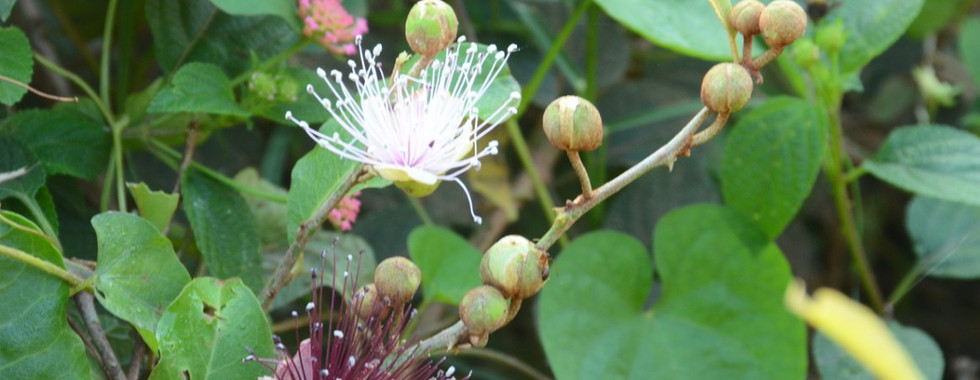


1. Taxonomic insights
Species: Capparis zeylanica
Family: Capparaceae
Genus: Capparis
The Capparaceae family consists of shrubs and trees, several of which are significant for their action on the urinary system, joints, and as detoxifying agents.
Related Herbs from the same family:
Capparis spinosa (Himsra / Caper Bush): The flower buds (capers) are used as a culinary condiment. In Ayurveda, the root bark is used as a diuretic, anti-arthritic, and for liver disorders.
Crataeva nurvala (Varuna): A cornerstone Ayurvedic herb for urinary tract disorders, kidney stones (Mutrakrichra), and benign prostatic hyperplasia (BPH). It is a premier diuretic and lithontriptic (stone-dissolving) agent.
2. Common Names:
Scientific Name: Capparis zeylanica | English: Indian Caper, Ceylon Caper | Sanskrit: व्याधिघात (Vyadhighata), क्षुद्रपत्र (Kshudrapatra), हिंस्रा (Himsra) | Hindi: आरेव (Arev), काठ कोकिला (Kath Kokila) | Tamil: காத்திக்காய் (Kaatthi Kaai), சுண்டி (Sundi) | Telugu: కొండు కాకర (Kondu Kakara) | Kannada: ಮುಳ್ಳು ಮಾವು (Mullu Maavu), ಕೊರिवಾಳ (Korivaala) | Malayalam: കാത്തിക്ക (Katthika), തോടകം (Thodakam) | Marathi: वाघटी (Waghati) | Bengali: কাকরোল (Kakrol), হিঙ্গोটি (Hingoti) | Sinhala: එති අවරි (Ethi Avari) |
3. Medicinal Uses:
Anti-inflammatory, Analgesic (pain-relieving), Antiarthritic, Antipyretic (fever-reducing), Digestive Stimulant, Anthelmintic (de-worming), Wound Healing.
Medicinal Parts:The root bark is the most valued medicinal part, followed by the leaves and young shoots.
Root Bark: The primary part used in decoctions and powders for internal use.
Leaves: Used in poultices for topical application.
Stem Bark & Young Shoots: Also used in traditional preparations.
4. Phytochemicals specific to the plant and their action.
Alkaloids (Capparisine, Capparinine): These are major bioactive constituents, contributing to the plant's Analgesic and Anti-inflammatory properties, which are key for joint disorders.
Flavonoids (Rutin, Quercetin): Provide Antioxidant and Anti-inflammatory support, protecting tissues from oxidative damage and reducing swelling.
Sterols (β-Sitosterol, Stigmasterol): Known for their Anti-inflammatory and potential Antiarthritic effects, they help modulate the immune response in autoimmune conditions.
Triterpenoids: Contribute to the overall Anti-inflammatory and Wound Healing activity.
5. Traditional and Ethnobotanical uses covering the Medicinal uses.
Amavata (Rheumatoid Arthritis) & Sandhivata (Osteoarthritis)
Formulation: Root bark decoction (Kashayam) or powder.
Preparation & Use: A decoction of the root bark is a classic folk remedy for joint pain, stiffness, and inflammation associated with arthritis and gout.
Reasoning: The potent anti-inflammatory and analgesic alkaloids and sterols help reduce pain and swelling in the joints (Sandhi), addressing the vitiated Vata and Ama (toxins) that are central to arthritic pathologies.
Jwara (Fever) & Krimi (Worm Infestation)
Formulation: Root bark decoction.
Preparation & Use: The decoction is administered to reduce fevers, especially those of unknown origin, and to expel intestinal worms.
Reasoning: The antipyretic properties help normalize body temperature, while the anthelmintic alkaloids help paralyze and expel intestinal parasites.
Vrana (Wounds) & Twak Vikara (Skin Diseases)
Formulation: Leaf poultice or root bark paste.
Preparation & Use: Fresh leaves are crushed and applied as a poultice on wounds, boils, and inflammatory skin conditions. A paste of the root bark can be used similarly.
Reasoning: The anti-inflammatory and antimicrobial properties of the phytochemicals help cleanse the wound, reduce pus formation, and promote healing.
Agni Deepana (Digestive Stimulant)
Formulation: Young shoot or leaf preparation.
Preparation & Use: The bitter young shoots or leaves are used in small quantities to stimulate appetite and digestion.
Reasoning: The bitter principles stimulate the secretion of digestive enzymes (Pachaka Pitta), kindling the digestive fire (Agni).
6. Healing recipes, Teas, Decoctions and Culinary use (if any):
The young shoots and flower buds can be pickled or cooked as a vegetable, but they are intensely bitter and require blanching. Medicinal use is more common.
Anti-arthritic Decoction
Purpose: To reduce joint pain and inflammation.
Preparation & Use:
Take 5-10 grams of dried Capparis zeylanica root bark.
Boil in 2 cups of water until it reduces to 1 cup.
Strain and divide this decoction into two doses. Consume one dose in the morning and one in the evening after meals.
Topical Leaf Poultice for Boils
Purpose: To draw out pus and reduce inflammation in boils and abscesses.
Preparation & Use:
Take a handful of fresh leaves, wash them, and crush them into a coarse paste.
Warm the paste slightly and apply it directly to the affected area.
Secure with a cloth and leave on for 30-60 minutes. Repeat twice daily.
7. Disclaimer:
Capparis zeylanica is a potent medicinal plant. Its internal use, particularly of the root bark, should be done under the guidance of a qualified practitioner due to the presence of active alkaloids. Overuse may lead to gastric irritation. It is not recommended for pregnant or breastfeeding women. The information provided is for educational and academic purposes only and is not a substitute for professional medical advice, diagnosis, or treatment.
8. Reference Books, Books for In-depth Study:
Indian Materia Medica by Dr. K.M. Nadkarni
Wealth of India (Raw Materials) by CSIR
Ayurvedic Pharmacopoeia of India
Ethnobotany of India Volumes
9. Further study: Plants that might interest you due to similar medicinal properties
1. Crataeva nurvala (Varuna)
Species: Crataeva nurvala | Family: Capparaceae | Genus: Crataeva
Similarities: As a member of the same family, Varuna shares a similar habitat and some phytochemical themes. While Capparis zeylanica is more focused on joint inflammation, Varuna is the specialist for urinary tract inflammation and stones, showcasing the family's affinity for treating inflammatory conditions in different systems.
2. Commiphora wightii (Guggulu)
Species: Commiphora wightii | Family: Burseraceae | Genus: Commiphora
Similarities: Both are premier anti-inflammatory and anti-arthritic agents in Ayurveda. While Guggulu is a resin used to scrape toxins (Ama) from tissues and channels, Capparis zeylanica root acts more directly on inflamed joints. They are often used in a complementary manner.
3. Vitex negundo (Nirgundi)
Species: Vitex negundo | Family: Lamiaceae | Genus: Vitex
Similarities: Both are cornerstone herbs for managing pain and inflammation (Shoola, Shotha). Nirgundi leaves are famous for topical poultices for joint swelling, similar to Capparis zeylanica leaves. Both also have antipyretic and wound-healing properties.
-x-x-x-End-x-x-x-
Comments