
Solanum virginianum (Solanaceae) Kantakari
- Das K

- Dec 1, 2025
- 3 min read
Solanum virginianum (Yellow Berried Nightshade)


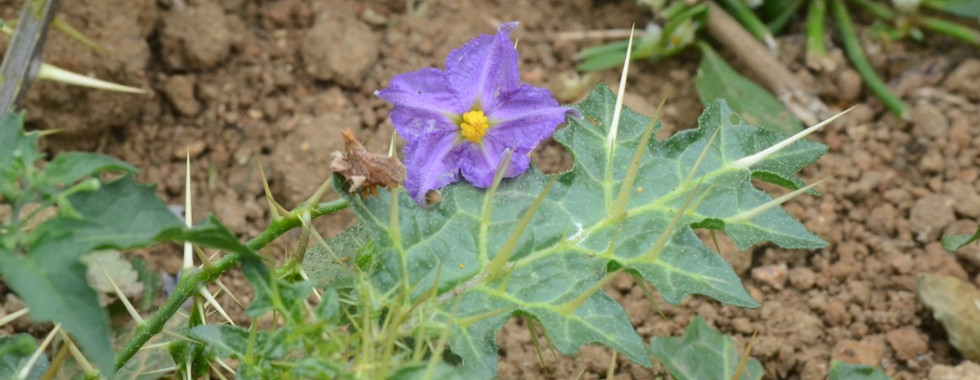


1. Taxonomic insights
Species: Solanum virginianum (Syn. Solanum surattense)
Family: Solanaceae
Genus: Solanum
Related Herbs from the same family:
· Withania somnifera (Ashwagandha): The premier Ayurvedic Rasayana and adaptogen for strength and vitality.
· Datura metel (Dhattura): A highly toxic plant used in processed forms for respiratory conditions and as an anesthetic.
· Solanum nigrum (Makoi): A plant with both nutritional and medicinal value, used for liver and skin disorders.
The Solanaceae family includes a diverse range of plants, from highly nutritious tomatoes and potatoes to powerfully medicinal and toxic herbs like Datura and Belladonna.
2. Common Names:
Scientific Name: Solanum virginianum | English: Yellow Berried Nightshade, Thai Eggplant | Sanskrit: Kantakari, Nidigdhika | Hindi: Kateli, Remgani | Tamil: Kandangattiri | Telugu: Pinnamulaka | Kannada: Kirugullia | Malayalam: Kandankattiri | Marathi: Bhuiringani | Bengali: Kantakari |
3. Medicinal Uses:
Expectorant,Antiasthmatic, Diuretic, Anti-inflammatory, Hepatoprotective, Cardiotonic, Aphrodisiac (Vajikara).
Medicinal Parts:
The whole plant is used,but the fruits and roots are most common.
· Whole Plant: Used for decoctions.
· Fruits: The primary part used in many formulations.
· Roots: Also used in traditional preparations.
4. Phytochemicals specific to the plant and their action.
Steroidal Alkaloids (Solasodine, Solamargine): These are the primary bioactive compounds. Solasodine is a precursor for steroid hormones and is responsible for the plant's Anti-inflammatory, Expectorant, and Cardiotonic actions.
Flavonoids (Diosmin, Quercetin): Provide Antioxidant support and contribute to Anti-inflammatory and potential Hepatoprotective effects.
Carpesterol: A sterol with documented Anti-inflammatory properties.
Glycoalkaloids: While therapeutic, these can also be toxic in high doses, highlighting the need for proper dosage.
5. Traditional and Ethnobotanical uses covering the Medicinal uses.
Kasa (Cough) & Swasa (Asthma)
Formulation: Kantakari Avaleha or Ghrita.
Preparation & Use: The plant is a key ingredient in classical Ayurvedic formulations like "Kantakari Avaleha" (herbal jam) and "Kantakari Ghrita" (medicated ghee), used specifically for chronic cough, bronchitis, and asthma.
Reasoning: The expectorant and bronchodilator properties help liquefy and expel mucus (Kapha) from the respiratory tract, easing breathing.
Hikka (Hiccups) & Svara Bhanga (Hoarseness of Voice)
Formulation: Fruit juice or decoction.
Preparation & Use: The juice of the fresh fruits or a decoction of the plant is given with honey to relieve persistent hiccups and restore the voice.
Reasoning: Its antispasmodic and soothing actions on the throat and diaphragm help control hiccups and reduce throat irritation.
Vajikarana (Aphrodisiac) & Mutrakrichra (Dysuria)
Formulation: Powder with milk.
Preparation & Use: The powdered plant is taken with milk as a rejuvenative and to support male reproductive health. Its diuretic property helps in painful urination.
Reasoning: It is considered a Rasayana that helps strengthen the reproductive tissues (Shukra Dhatu) and cleanses the urinary pathway.
6. Healing recipes, Teas, Decoctions and Culinary use (if any):
It is not a culinary herb. Its use is strictly medicinal.
Kantakari Decoction for Cough
Purpose: To relieve chest congestion and cough.
Preparation & Use:
· Take 1-2 teaspoons of the dried whole plant or fruits.
· Boil in 2 cups of water until it reduces to 1 cup.
· Strain and drink warm, twice a day. A pinch of black pepper or ginger can be added.
7. Disclaimer:
Solanum virginianumis a powerful herb used in Ayurveda under specific guidelines. Due to the presence of steroidal alkaloids, self-medication or exceeding recommended doses can be harmful. It is not recommended for pregnant women. Professional guidance from a qualified Ayurvedic practitioner is essential for its safe and effective use. This information is for educational purposes.
8. Reference Books, Books for In-depth Study:
· Ayurvedic Pharmacopoeia of India
· Indian Materia Medica by Dr. K.M. Nadkarni
· Dravyaguna Vijnana by Dr. J.L.N. Sastry
9. Further study: Plants that might interest you due to similar medicinal properties
1. Solanum xanthocarpum (Kantakari)
· Species: Solanum xanthocarpum | Family: Solanaceae | Genus: Solanum
· Similarities: In many Ayurvedic texts, S. virginianum and S. xanthocarpum are used interchangeably under the name "Kantakari." They share nearly identical medicinal uses, phytochemical profiles (rich in solasodine), and are both cornerstone herbs for respiratory health.
2. Adhatoda vasica (Vasa)
· Species: Adhatoda vasica | Family: Acanthaceae | Genus: Justicia
· Similarities: Both are premier Ayurvedic herbs for respiratory conditions. While Vasa is more specifically for bleeding disorders and Kapha-dominated cough, both are potent expectorants and bronchodilators used in formulations for asthma and bronchitis.
---
Comments